


Your North Ogden Fireplace: From Frustrating to Fiery
When fireplaces not heating in north ogden, ut become an issue, it’s more than an inconvenience—it’s the loss of a primary heat source during brutal Wasatch Front winters. Whether you have a gas fireplace that won’t ignite or a wood-burning unit producing little warmth, the problem often stems from a handful of fixable issues.
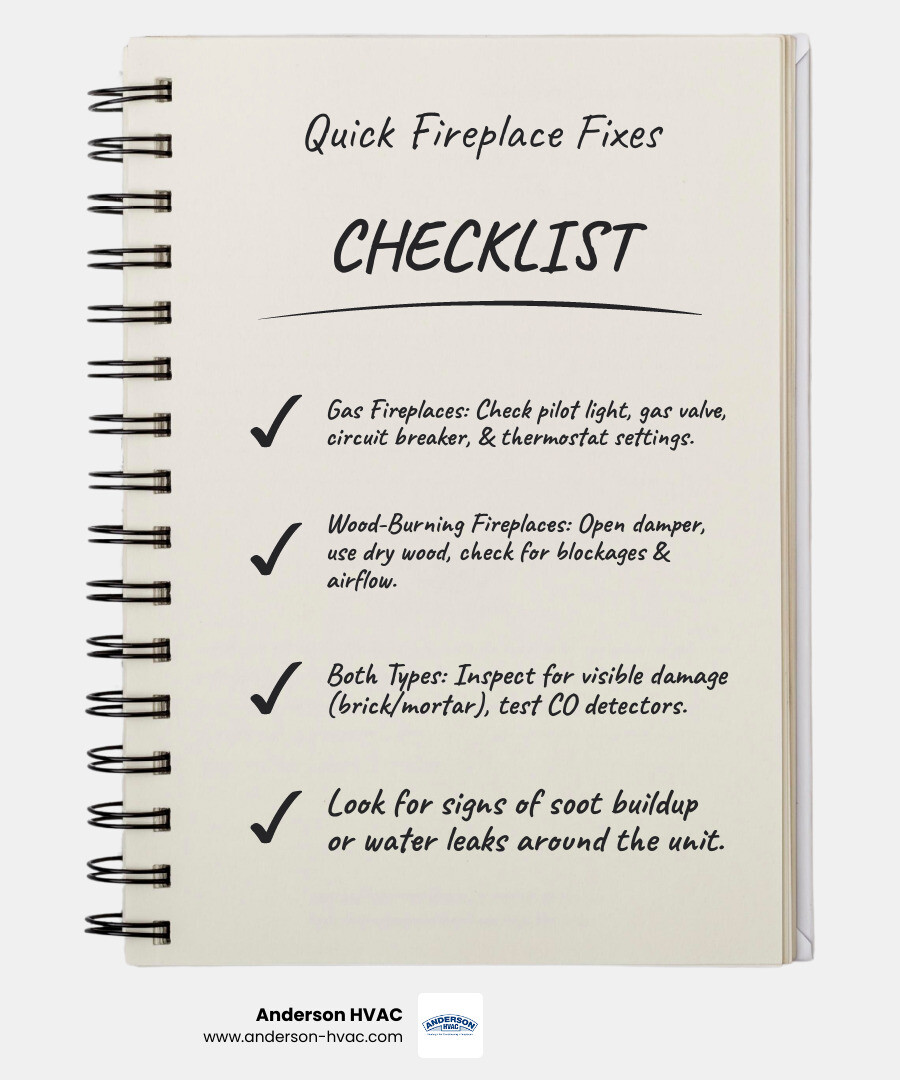
Quick Fixes for a Fireplace That Won’t Heat:
- Gas Fireplaces: Check if the pilot light is out, ensure the gas valve is fully open, verify the circuit breaker hasn’t tripped, and confirm your thermostat is set correctly.
- Wood-Burning Fireplaces: Make sure the damper is fully open, use only dry seasoned wood, check for chimney blockages, and ensure proper airflow.
- Both Types: Inspect for visible damage to brick or mortar, test carbon monoxide detectors, and look for signs of soot buildup or water leaks.
Understanding your home’s heating solutions is essential. Learn more about comprehensive heating options in North Ogden, and when DIY troubleshooting isn’t enough, schedule professional fireplace repair to restore your comfort.
North Ogden’s climate demands reliable heating. A malfunctioning fireplace can impact your family’s comfort and safety. The good news is that most fireplace heating problems have straightforward causes that can often be diagnosed with basic troubleshooting.
Why Are Fireplaces Not Heating in North Ogden, UT? Common Culprits
When winter arrives in North Ogden and your fireplace refuses to deliver warmth, you’re likely dealing with one of a few common issues. The crisp air sweeping down from the Wasatch Front is beautiful until your fireplace stops working. Whether you have a sleek gas unit or a traditional wood-burning hearth, the usual suspects behind fireplaces not heating in north ogden, ut typically involve airflow restrictions, fuel supply hiccups, or worn-out components.
What seems like a major catastrophe is often something surprisingly simple. A closed valve or a dirty sensor can cause a shutdown. Let’s walk through what might be keeping your fireplace from doing its job so you can get back to enjoying those cozy evenings.
Gas Fireplace Heating Problems
Gas fireplaces are convenient but rely on a precise system of gas flow, electrical parts, and safety sensors. When one part fails, the whole system may shut down.
- Pilot Light is Out: This is the most frequent culprit. The pilot ignites the main burner, so if it’s extinguished by a draft or debris, the fireplace won’t light. Learn more about the pilot light assembly in your fireplace.
- Faulty Thermocouple/Thermopile: These safety devices keep the gas valve open. If they get dirty or wear out, they can’t generate enough voltage, causing the pilot to go out or the burner to fail.
- Dirty Sensors: Modern fireplaces have sensors that shut the system down if they detect debris or blockages, protecting you from potential hazards.
- Gas Supply Issues: A closed gas valve, low gas pressure, or problems with the gas line can prevent proper operation, especially after the fireplace has been idle.
- Tripped Circuit Breaker: Gas fireplaces need electricity for ignition systems and fans. A tripped breaker means no power and no heat.
- Faulty Igniter or Controls: A broken electronic igniter won’t create a spark. Likewise, a faulty thermostat or wall switch can prevent the fireplace from turning on or maintaining temperature.
Wood-Burning Fireplace Inefficiency
Wood-burning fireplaces offer authentic warmth, but their efficiency depends on proper maintenance and fuel.
- Closed or Damaged Damper: The damper controls airflow. If it’s not fully open, smoke won’t vent properly, and heat will escape up the chimney. Find out the signs your fireplace damper is damaged.
- Wet or Unseasoned Wood: Burning wood that hasn’t been dried for at least six months wastes energy evaporating water instead of producing heat. It also creates excess smoke and creosote.
- Chimney Blockages: Creosote buildup, animal nests, or other debris can restrict airflow, causing smoke to back up into your home and reducing heat output.
- Creosote Buildup: This flammable, tar-like residue narrows the chimney, choking off airflow and creating a serious fire hazard.
- Poor Draft: A weak draft, caused by a short chimney or cold air, leads to inefficient burning and less heat in your living space.
- Cracks in the Firebox: Gaps in the firebox or chimney lining allow heat to escape and can pose a safety risk that requires professional attention.
How to Troubleshoot Basic Fireplace Heating Issues
Before calling for help, many fireplaces not heating in north ogden, ut can be fixed with some simple detective work. These quick checks can restore warmth and save you time and hassle, especially on a cold North Ogden night. Understanding what might be wrong also helps you communicate more effectively with a technician if you do need professional service.
DIY Troubleshooting for Fireplaces Not Heating in North Ogden, UT
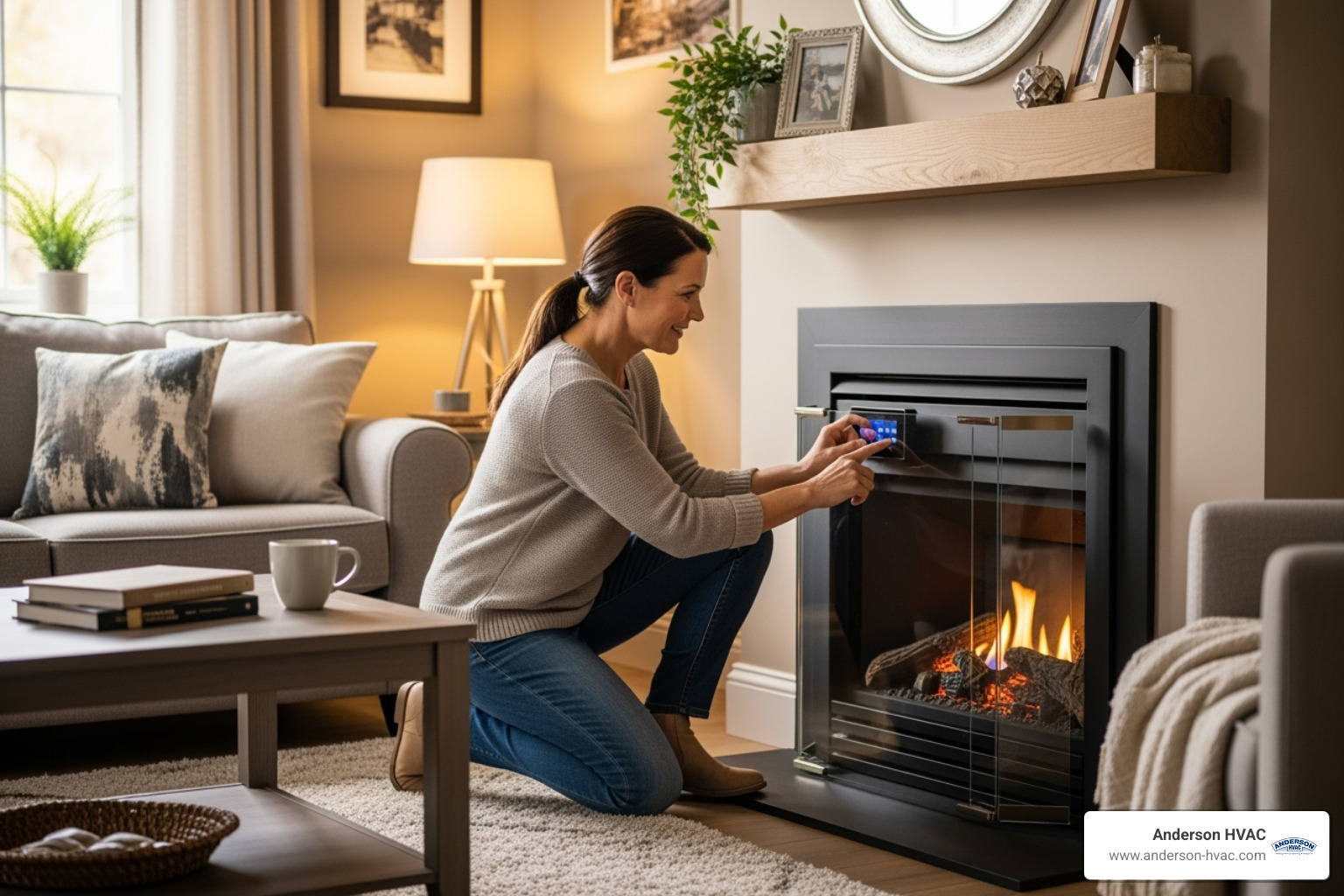
Here are some practical checks you can perform yourself:
- Check the Gas Valve: For gas fireplaces, ensure the valve is fully open (parallel to the gas line). Also, verify the main house gas valve is open.
- Inspect the Circuit Breaker: Gas fireplaces need electricity. Check your electrical panel for a tripped breaker and reset it. Ensure the fireplace’s wall switch is on.
- Clean the Glass: On gas units, soot can block radiant heat and interfere with sensors. Use a cleaner made for fireplace glass.
- Look for Drafts: Strong air currents can blow out pilot lights or pull heat away from your fire. Seal any gaps around windows and doors.
- Confirm the Damper is Open: For wood-burning fireplaces, look up the chimney to ensure the damper is fully open before lighting a fire.
- Check Thermostat Settings: If your fireplace is thermostat-controlled, ensure it’s set to “heat” and the target temperature is above the current room temperature. Replace batteries if the display is dim.
Maintenance You Can Do
A little regular maintenance can keep your fireplace running smoothly.
- Replace Thermostat Batteries: Do this at the start of each heating season to prevent communication issues with your fireplace.
- Keep the Pilot Area Clean: On gas units, gently use a can of compressed air to clear dust and debris from the pilot assembly and thermocouple.
- Inspect Your Firebox: Regularly check for cracks in the panels or mortar. Larger gaps can reduce efficiency and compromise safety.
- Test Carbon Monoxide Detectors: Test detectors monthly and replace batteries twice a year. This is a critical safety step for all fireplaces. Learn more with these 5 easy steps to make sure your fireplace is safe.
- Keep Vents and Louvers Clear: Ensure furniture or decorations aren’t blocking vents on your gas fireplace, as this restricts airflow and reduces heating efficiency.
When to Call a Professional for Your Fireplace
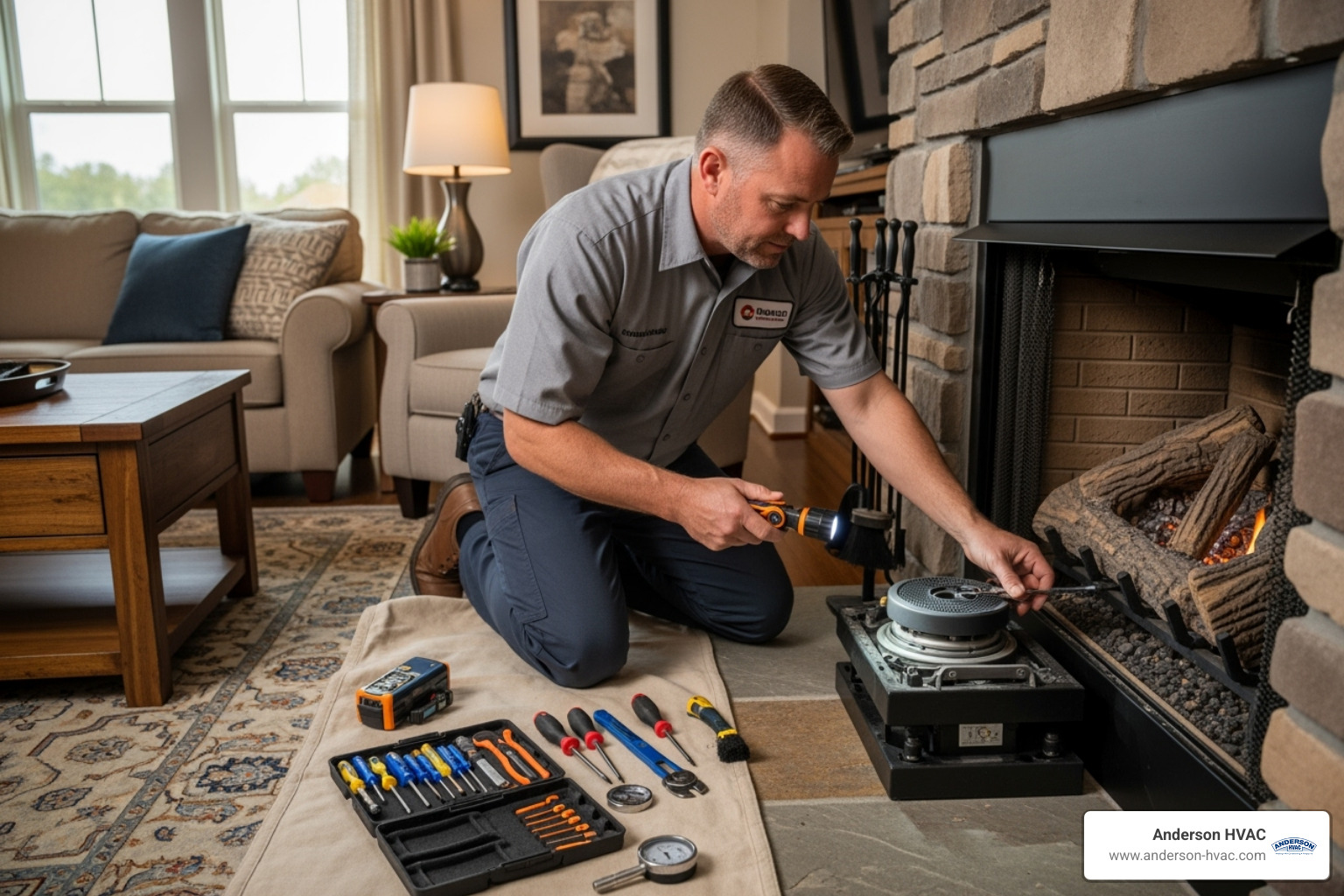
While DIY troubleshooting can solve minor issues, some problems require professional expertise. For fireplaces not heating in north ogden, ut due to complex or dangerous issues, calling a qualified technician is the safest choice. Certain fireplace issues require specialized tools and training to diagnose and repair safely.
Signs You Need Expert Fireplace Service
How do you know when to call the pros? Here are several clear warning signs:
- Pilot Light Won’t Stay Lit: If it won’t stay lit after multiple attempts, you likely have a faulty thermocouple, thermopile, or gas valve that needs professional diagnosis.
- Visible Soot on Exterior: Heavy black soot on your gas fireplace’s glass or surrounding walls indicates improper combustion or a blocked vent, which is a serious safety concern.
- Damaged Brick or Mortar: Cracks in the firebox or deteriorating mortar can compromise your fireplace’s integrity and safety. These could be warning signs you need fireplace replacement, so a professional assessment is wise.
- Water Leaks: Any sign of moisture around your fireplace or chimney points to a problem with the flashing, cap, or liner that needs immediate attention to prevent structural damage.
- Rusted or Broken Damper: A damper that is stuck or corroded cannot properly control airflow and requires professional replacement.
- Strange Odors: A rotten egg smell near a gas fireplace is a red flag for a gas leak. Shut off the gas, evacuate, and call for emergency service.
- Unusual Noises: Banging or grinding sounds can indicate mechanical issues with blowers or gas valves that need to be inspected.
- DIY Steps Fail: If you’ve tried basic troubleshooting and the fireplace still won’t heat, it’s time for a professional to identify the underlying problem.
For comprehensive solutions, explore our top fireplace services.
Safety Concerns with Fireplaces Not Heating in North Ogden, UT
Beyond discomfort, a malfunctioning fireplace poses significant safety risks. Safety always comes first.
- Gas Leak Risks: A faulty gas fireplace can leak natural gas, which is highly flammable and explosive. If you smell gas, evacuate immediately and call for help.
- Carbon Monoxide Poisoning: Incomplete combustion or a blocked chimney can cause a buildup of this odorless, colorless, and potentially fatal gas.
- Chimney Fire Hazards: For wood fireplaces, creosote buildup from inefficient burning is a leading cause of chimney fires, which can spread rapidly.
- Electrical Faults: Faulty wiring in gas fireplaces can lead to electrical fires or shocks, especially in older units.
- Structural Damage: Deteriorating masonry or water intrusion can compromise your chimney’s structure, creating a collapse risk or allowing heat to escape into wall cavities.
Never attempt to fix gas lines, electrical components, or structural issues yourself. Our team offers essential fireplace services to ensure your fireplace is both warm and safe.
Boosting Your Fireplace’s Heating Power and Efficiency
If your fireplaces not heating in north ogden, ut is an ongoing frustration, or you want more warmth from your hearth, there are proven ways to improve its performance. Our team specializes in fireplace services in North Ogden, UT that make a real difference in your home’s comfort.
Many older, open-hearth fireplaces are inefficient, often pulling more warm air out of your home than they put back in. Modern solutions can turn a decorative feature into a genuine heat source for those long Wasatch Front winters.
The Benefits of Fireplace Inserts
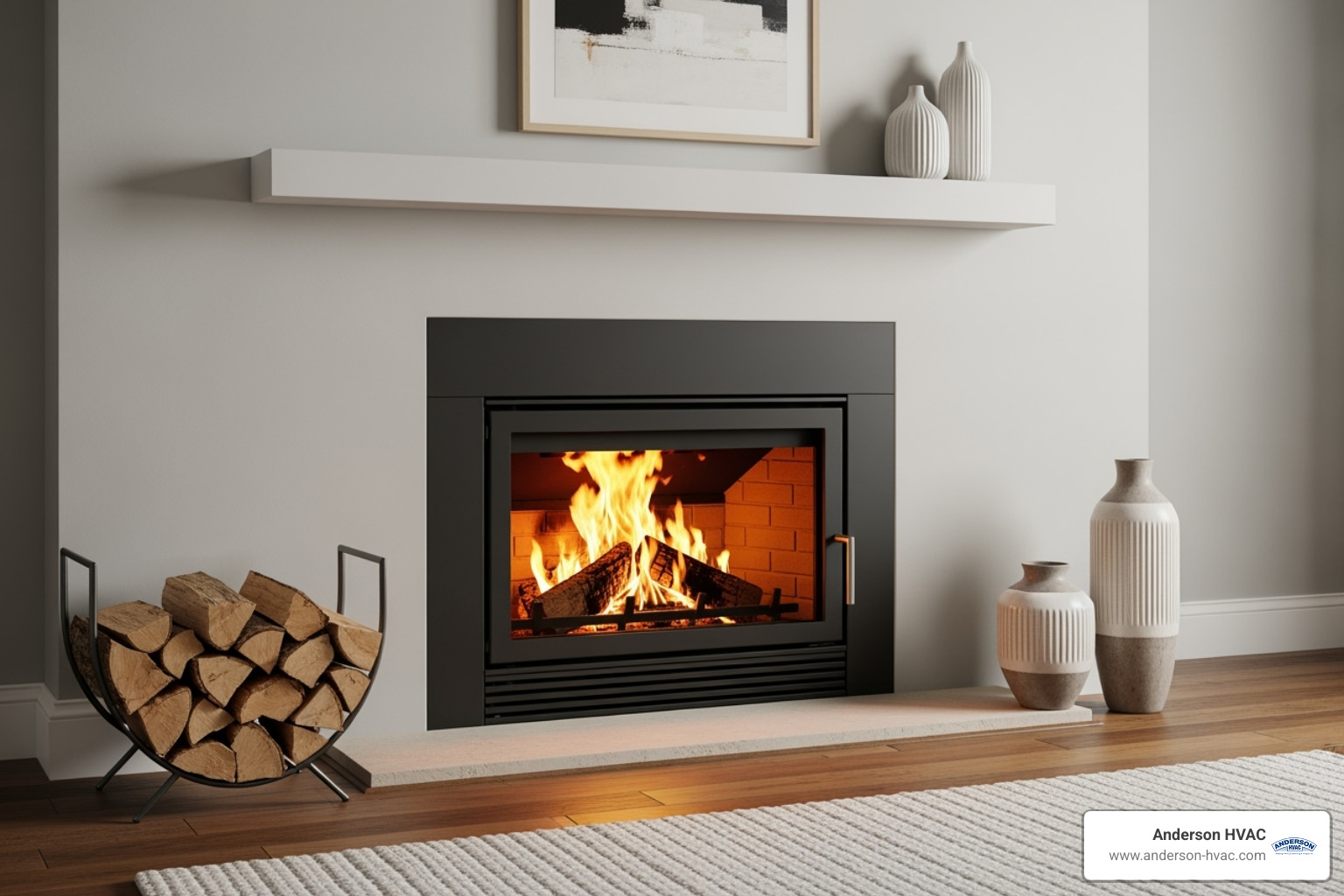
A fireplace insert is a complete heating system that fits into your existing fireplace, engineered to capture and radiate heat. While an open masonry fireplace may only be 10-20% efficient, a modern insert can achieve 60-80% efficiency or higher.
- Gas Inserts: Vented gas inserts are popular for their high efficiency and convenience. Ventless gas inserts are another option that doesn’t require a chimney, making installation simpler.
- Wood Inserts: For those who love a real wood fire, wood inserts provide rustic charm while burning far more efficiently than an open fireplace, producing more heat from less wood and reducing creosote buildup.
Inserts are enclosed systems that also improve safety by containing sparks and improve air quality by sealing combustion from your living space. An insert can transform a drafty, inefficient fireplace into a powerful and enjoyable heat source.
The Importance of Annual Professional Servicing
Even the best fireplace requires regular maintenance to perform well and safely. We recommend annual professional servicing for all fireplaces, whether gas or wood-burning. This preventative care catches small problems before they become expensive emergencies.
A professional service visit includes:
- Thorough Inspection: We check the entire system, from the pilot light and gas lines in a gas unit to the firebox and chimney liner in a wood-burning one.
- Professional Chimney Cleaning: For wood fireplaces, removing flammable creosote buildup is essential to prevent chimney fires and restore proper airflow.
- Component Testing and Optimization: We test blowers, thermostats, and valves to ensure they work correctly. We also make small adjustments to optimize heat output and efficiency.
- Safety Verification: We check for gas leaks, carbon monoxide risks, and structural issues to ensure your fireplace meets all safety standards.
Regular maintenance provides peace of mind, knowing your fireplace will work safely and efficiently when you need it most. For comprehensive care, explore our HVAC/North Ogden UT/Fireplace Service options.
Trust the Local Experts to Restore Your Fireplace’s Warmth
When fireplaces not heating in north ogden, ut leave you cold during frigid Wasatch Front evenings, it’s time to call someone who understands our local needs. At Anderson HVAC, we’re your neighbors. As a family-owned business with over 40 years of experience in North Ogden, we’ve handled every fireplace issue imaginable.
What sets us apart is our commitment to treating every customer like family. You’ll receive individualized service custom to your specific situation, whether it’s a quick repair or a complete fireplace insert installation.
Our team has served North Ogden, Harrisville, and Pleasant View for decades, so we know how vital a reliable heat source is in our climate. We specialize in both gas and wood-burning systems, offering comprehensive inspection, repair, cleaning, and installation services. Our technicians diagnose issues accurately and recommend solutions that fit your home and budget, always aiming to do the job right the first time.
Don’t spend another cold night struggling with a faulty fireplace. Whether you have a pilot light that won’t stay lit or you’re ready to upgrade to a more efficient system, we’re here to help restore your hearth’s warmth and safety.
Ready to bring the warmth back into your home? Visit our fireplaces North Ogden UT page to learn more about our services, or reach out today to schedule an appointment. We’re ready to restore your fireplace to its full, cozy potential.