




What Clinton, UT Homeowners Should Know About Heating Repair
Heating repair in Clinton UT is something no homeowner wants to deal with — especially when temperatures drop and your furnace stops working. Clinton sits in Davis County, where winters are cold enough to make a failing heating system a real emergency.
Here’s a quick overview of what to expect when your heating system needs attention:
- Common signs you need repair: strange noises, rising energy bills, uneven heat, or a furnace that won’t start
- Most repaired systems: gas furnaces, heat pumps, boilers, and ductless mini-splits
- When to call a pro: any time your system fails to heat consistently, makes unusual sounds, or shows warning lights
- Repair vs. replace: systems over 15 years old or needing frequent fixes may be better replaced
- What to do first: check your thermostat, air filter, and breaker before calling — simple fixes can save time
- Emergency services: many Northern Utah HVAC contractors offer after-hours support for no-heat situations
Clinton has grown rapidly over the past two decades, now home to more than 21,000 residents. That growth means more homes relying on heating systems every winter — and more demand for fast, reliable repair services when something goes wrong.
Whether your furnace just stopped working or you’ve noticed your energy bills creeping up, understanding what’s involved in a heating repair helps you make smarter decisions for your home.
Identifying Common Signs You Need Heating Repair in Clinton UT
Living in Clinton means being prepared for those biting Davis County winds. When your heating system begins to struggle, it usually doesn’t just quit without warning; it sends out “S.O.S.” signals. Recognizing these early can be the difference between a quick fix and a shivering night waiting for a technician.
One of the most frequent issues we see is rapid cycling. This is when your furnace turns on and off much more frequently than usual. Not only does this fail to warm your home effectively, but it also puts immense strain on the motor and electrical components. You might also notice strange noises—banging, whistling, or screeching—which often indicate a slipped belt, a failing motor bearing, or even a cracked heat exchanger.
Unusual odors are another red flag. While a slight “dusty” smell during the first run of the year is normal, the scent of burning plastic, ozone, or rotten eggs (which indicates a gas leak) requires immediate professional attention. Furthermore, if you find yourself constantly adjusting the thermostat because of inconsistent temperatures—where the kitchen is a sauna but the bedrooms are iceboxes—your system is likely struggling with airflow or sensor issues.
Keep an eye on your pilot light if you have an older gas furnace; it should always be a crisp blue. A yellow or flickering flame suggests incomplete combustion, which can lead to carbon monoxide buildup. Lastly, if your energy bills are rising without a change in usage, your system is likely working overtime to compensate for a mechanical failure. For more detailed support, you can find more info about heating services to help diagnose these specific issues.
Troubleshooting Heating Repair in Clinton UT Before the Cold Sets In
Before you assume the worst, there are a few “low-hanging fruit” items you can check yourself. We always recommend a quick walk-through of these basics:
- Thermostat Settings: Ensure it’s actually set to “Heat” and the temperature is higher than the current room temp. It sounds simple, but a bumped switch is a common culprit!
- Tripped Breakers: Check your electrical panel. Heating systems pull a lot of power, and a surge can occasionally trip the circuit.
- Dirty Air Filters: A clogged filter is the number one cause of system “suffocation.” If air can’t get through, the system will overheat and shut down as a safety precaution.
- Blocked Vents: Make sure furniture, rugs, or curtains aren’t obstructing your floor or wall registers.
- Airflow Obstructions: Ensure the outdoor intake and exhaust pipes (for high-efficiency furnaces) are clear of snow, ice, or bird nests.
Recognizing Warning Signs in Older Systems
As systems age, their “personality” changes. If your unit is approaching the 15-to-20-year mark, you may notice frequent cycling that troubleshooting can’t fix. You might also experience humidity imbalances; older furnaces often struggle to maintain moisture levels, leading to static shocks and dry skin.
Watch for soot accumulation around the registers or the furnace base, which indicates the burner isn’t firing cleanly. If the burner flames look ragged or discolored, it’s a sign that the metal components are corroding or the gas pressure is off. These are signs that the “heart” of your home’s comfort is reaching its limit.
Understanding Clinton’s Unique Heating Needs and System Types
Clinton’s location in the Ogden-Clearfield metropolitan area means we experience the full spectrum of Northern Utah weather. From the “lake effect” snows to the dry, freezing nights, our systems have to be versatile. Most homes in our area utilize gas furnaces due to the availability of natural gas, but many newer developments are opting for electric heating or high-efficiency heat pumps.
In some of the more established parts of Clinton, you might still find boilers providing cozy radiant floor heating, which is excellent for consistent warmth but requires specialized knowledge to repair. We also see an increase in ductless mini-splits, especially in home additions or “bonus rooms” above garages where traditional ductwork doesn’t reach.
| Symptom | Likely Furnace Issue | Likely Heat Pump Issue |
|---|---|---|
| No Heat | Ignitor failure or gas valve issue | Reversing valve stuck or refrigerant leak |
| Icing Up | Not applicable | Defrost cycle failure or clogged coil |
| Blowing Cold Air | Limit switch tripped or dirty sensors | Emergency heat strip failure |
| Grinding Noise | Blower motor bearings | Compressor motor or fan blade debris |
Addressing Hard Water Issues in Local Heating Systems
One thing many Clinton residents overlook is our water quality. Davis County is known for having “hard” water, which contains high levels of calcium and magnesium. While this doesn’t affect a standard forced-air furnace, it is a major factor for boiler maintenance and radiator efficiency.
Scale buildup inside pipes and heat exchangers acts like insulation, making it harder for the heat to transfer to your rooms. Over time, this “liming” can cause internal damage to the boiler or lead to noisy, clanking pipes. Regular flushing and the use of water softeners can help protect these systems from the local water chemistry.
Indoor Air Quality and System Performance
Your heating system does more than just move hot air; it’s the lungs of your home. During a Utah winter, we spend about 90% of our time indoors, making indoor air quality (IAQ) vital. A system that is struggling with air filtration or duct cleanliness will circulate allergens and dust, which can aggravate respiratory issues.
We often recommend integrated humidifiers to combat the bone-dry Utah air, which helps protect your wood furniture and your health. Furthermore, proper ventilation is essential for carbon monoxide safety. Because modern homes are built to be airtight, ensuring your furnace exhausts properly is a non-negotiable safety requirement.
Deciding Between Heating Repair and System Replacement
When a repair bill lands on the kitchen table, the big question is always: “Is it worth fixing, or is it time for something new?” We generally suggest the 50% rule: if the cost of the repair is more than half the value of the system, replacement is usually the wiser investment.
Repair frequency is another major indicator. If you’ve had the “repair guy” out three times in the last two winters, those costs are adding up to a down payment on a new, more reliable unit. Modern systems come with significantly higher energy efficiency ratings (AFUE), meaning they turn more of your fuel into actual heat rather than letting it escape up the chimney.
Beyond just saving money on monthly bills, technological upgrades like smart thermostat compatibility and variable-speed blowers offer a level of comfort that 20-year-old systems simply can’t match. If you’re on the fence, more info about heating services can help you weigh the longevity of your current system against the benefits of an upgrade.
Maximizing Efficiency with Regular Heating Repair in Clinton UT
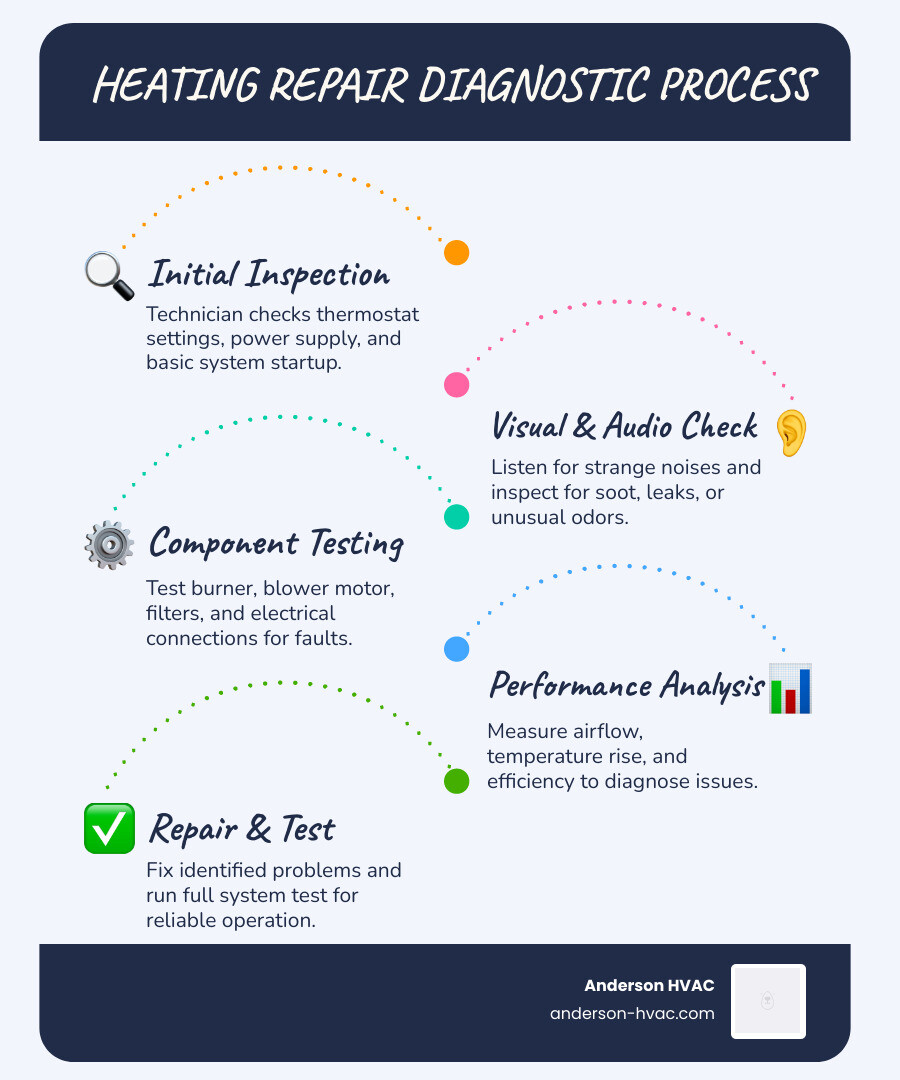
The best way to avoid a total system collapse is through seasonal tune-ups. Think of it like an oil change for your car. During a professional maintenance visit, a technician will perform component lubrication, check for warranty compliance (many manufacturers require annual service to keep the warranty valid), and conduct deep safety inspections.
Emergency prevention is the goal here. By catching a frayed belt or a dusty sensor in October, we prevent a “no-heat” emergency in January. These small, precision adjustments ensure that your system is running at peak efficiency, which keeps your utility providers from getting more of your hard-earned money than necessary.
The Benefits of Professional Diagnostics
While DIY troubleshooting is great for the basics, there is no substitute for NATE-certified expertise. Modern HVAC units are complex machines with sensitive computer boards and high-pressure gas lines. Professional technicians use specialized tools like manometers to check gas pressure and combustion analyzers to ensure your family is safe from carbon monoxide.
Choosing a professional for heating repair in Clinton UT ensures precision repairs that address the root cause of the problem, not just the symptoms. This leads to long-term reliability and the peace of mind that comes from knowing the job was done right the first time.
Frequently Asked Questions About Local Heating Services
Why is my furnace making a loud banging or whistling noise?
A loud bang when the furnace starts is often “delayed ignition.” Small amounts of gas build up before the ignitor sparks, causing a mini-explosion. Whistling is usually an airflow issue—either a very dirty filter or a leak in your return ducts that is sucking air through a small crack. Both should be inspected promptly to avoid damage.
How often should I change my furnace filters during a Utah winter?
In Clinton, we recommend checking your filter every 30 days during the peak of winter. If you have pets, a fireplace, or live near new construction (common in our growing residential areas), you may need to replace it monthly. At a minimum, never go longer than 90 days without a fresh filter.
Are emergency heating services available for no-heat situations in Clinton?
Yes! Most reputable local contractors understand that a furnace failure during a Davis County cold snap is a safety hazard. We prioritize “no-heat” calls to ensure families—especially those with infants or elderly residents—aren’t left in the cold for long.
Conclusion: Trusting Your Home Comfort to Local Experts
At Anderson HVAC, we understand that your home is your sanctuary. As a family-owned business with over 40 years of experience, we’ve seen Clinton grow from a quiet farming community into the vibrant residential hub it is today. Based in North Ogden, we are your neighbors, and we take our commitment to the community seriously.
Whether you need a quick sensor cleaning or a full system redesign, we provide the personalized service and dependable workmanship that only four decades of local experience can offer. We don’t just fix heaters; we ensure your family stays warm, safe, and comfortable all winter long.
Don’t wait for the next snowstorm to find out if your furnace is up to the task. Schedule your heating repair in Clinton UT today and experience the difference that “service you can trust, from our family to yours” truly makes.