




Affordable Heating Installation in Layton, UT: What Layton Homeowners Need to Know
Affordable heating installation in Layton, UT is within reach for most homeowners — and it starts with knowing your options. Here’s a quick overview of how to keep costs down while keeping your home warm:
- Choose the right system size — an oversized or undersized unit wastes energy and money
- Look for high AFUE ratings — systems rated 90%+ convert more fuel to heat
- Ask about financing — many HVAC providers offer payment plans for qualified customers
- Check for rebates — energy-efficient upgrades may qualify for utility or federal incentives
- Schedule regular maintenance — a well-maintained system lasts longer and costs less to run
Layton winters are no joke. Sitting in Davis County, the city sees cold, sustained freezes every year — and when your heating system struggles to keep up, you feel it fast. The good news is that Layton’s proximity to the Great Salt Lake does soften temperatures slightly compared to other parts of Utah. But “slightly milder” still means you need a reliable, efficient heating system in your home.
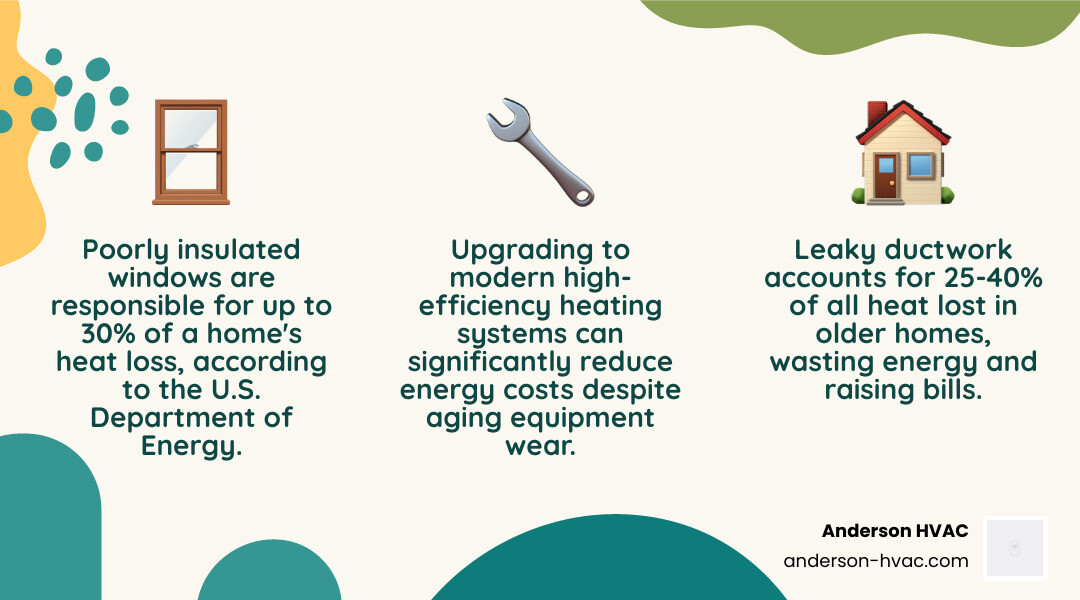
Here’s the challenge many homeowners face: older systems quietly drain your wallet long before they fully break down. Most heating systems last 15 to 20 years, but well before that milestone, they start losing efficiency — costing more to run while delivering less warmth. Add in heat loss from leaky ductwork (which can account for 25 to 40 percent of all heat lost in older homes) and poorly insulated windows (responsible for up to 30 percent of heat loss, according to the Department of Energy), and your energy bills can climb fast.
This guide walks you through everything you need to make smart, budget-friendly decisions — from spotting the signs that your system needs replacing, to choosing the right equipment, to finding a trustworthy installer in Layton.
Signs It’s Time for a Heating Upgrade
Knowing when to invest in a new system is the first step toward long-term savings. While we all want our appliances to last forever, the reality is that heating systems have a definitive shelf life. Most furnaces and heat pumps are designed to operate reliably for about 15 to 20 years. Once you cross that 15-year mark, the components begin to wear down, and the technology becomes significantly outdated compared to modern, high-efficiency models.
If you find yourself calling for repairs every winter, those “small” bills are likely adding up to the cost of a new unit. Frequent repairs are a major red flag. Another subtle sign is a steady rise in your utility bills. If your heating habits haven’t changed but your monthly costs are creeping up, your system is working harder than it used to just to provide the same amount of warmth.
Pay attention to how your home feels, too. Are there “cold spots” in the living room while the bedrooms feel like a sauna? Uneven temperatures often mean your system can no longer push air effectively through the home. You might also notice unusual sounds—banging, whistling, or grinding—which indicate mechanical failure. For those with gas furnaces, keep a close eye on the burner flame. It should always be a crisp blue. A yellow or flickering flame can indicate incomplete combustion, which is both inefficient and a potential safety hazard.
More info about heating installation services can help you determine if your current setup is truly reaching the end of its road or if a professional tune-up might buy you one more season.
Choosing the Right System for Affordable Heating Installation in Layton, UT
Layton’s climate is unique. Because we are nestled between the Wasatch Mountains and the Great Salt Lake, our winters are cold but often more humid and slightly “milder” than the high-desert regions further south. This specific climate means we have several great options for staying warm without overspending.
When shopping for a system, the most important acronym you’ll see is AFUE (Annual Fuel Utilization Efficiency). This percentage tells you how much of the fuel you pay for actually turns into heat for your home. A system with a 95% AFUE rating means only 5% of the energy is lost through the chimney or vents. Looking for the Energy Star label is another easy way to ensure the unit meets strict efficiency guidelines set by the government.
Sizing is equally critical. If a unit is too small, it will run constantly and never get the house warm. If it’s too large, it will “short cycle,” turning on and off rapidly, which wears out the motor and wastes fuel.
| System Type | Best Suited For | Key Benefit |
|---|---|---|
| Natural Gas Furnace | Traditional homes with existing ductwork | Powerful heat for the coldest January nights |
| Electric Heat Pump | Energy-conscious homeowners | Provides both heating and cooling in one unit |
| Boiler / Radiant | Homes without ducts or those with allergies | Steady, even heat through floors or radiators |
| Hybrid (Dual-Fuel) | Maximum efficiency seekers | Switches between electric and gas based on temp |
How Heat Pumps Offer Affordable Heating Installation in Layton, UT
Heat pumps have become a favorite for affordable heating installation in Layton, UT because they are incredibly versatile. Unlike a furnace that creates heat by burning fuel, a heat pump moves heat from the outside air into your home. Even when it’s chilly outside, there is still thermal energy available to be harvested.
In our region, many homeowners opt for a “dual-fuel” setup. This pairs an electric heat pump with a gas furnace. When temperatures are in the 30s or 40s, the heat pump handles the job with incredible electric efficiency. When a true Utah blizzard hits and temps drop below freezing, the gas furnace kicks in to provide that extra boost of warmth. This year-round comfort solution often qualifies for significant energy rebates, making the initial investment much easier on the wallet.
Selecting High-Efficiency Furnaces for Affordable Heating Installation in Layton, UT
If your home is already set up for natural gas, a high-efficiency furnace is often the most straightforward path to savings. Modern units have replaced the old-fashioned standing pilot light (which wasted gas 24/7) with electronic ignition systems that only spark when needed.
Another feature to look for is a variable-speed blower. Older furnaces were either “on” or “off.” Variable-speed models can run at lower speeds for longer periods, which keeps the temperature in your home much more consistent and uses a fraction of the electricity. Combined with secondary heat exchangers that trap heat that used to be wasted, these systems offer massive long-term fuel savings that pay for the installation over time.
Maximizing Home Efficiency to Reduce Long-Term Costs
Installing a great system is only half the battle. To keep your “wallets full,” you need to make sure that expensive heat stays inside your walls. We often recommend starting with your thermostat. According to the Department of Energy, turning your thermostat back 7 to 10 degrees for eight hours a day (like when you’re at work or asleep) can save you up to 10% a year on heating. For every degree you lower it, you save roughly 3% on your energy use.
An energy audit is a fantastic way to find the “invisible” money pits in your home. These audits often reveal that 25% to 40% of your heated air is escaping through holes in your ductwork or gaps in the attic. Sealing these leaks with mastic or metal tape is one of the most cost-effective DIY projects you can tackle.
Don’t forget your windows! About 30% of a home’s heat is lost through glass. Using heavy curtains or cellular shades during winter nights creates a thermal barrier that keeps the chill away. Finally, the simplest tip of all: change your air filters. A clogged filter makes your motor work twice as hard, increasing wear and tear and driving up your electric bill. We suggest checking 1-inch filters every month and 4-inch media filters every 6 to 9 months.
Navigating the Professional Installation Process
When you decide it’s time for an affordable heating installation in Layton, UT, the contractor you choose is just as important as the equipment you buy. A poor installation can make even the most expensive furnace perform poorly.
We always recommend looking for a team that is fully licensed and insured. In Layton, professional installers must follow specific safety codes and secure local permits to ensure the gas lines and electrical connections are safe for your family. The process usually begins with the careful removal and disposal of your old equipment.
Once the new unit is in place, a professional team won’t just turn it on and leave. They should perform “airflow balancing” to make sure every room gets the right amount of heat and conduct performance testing to verify the system is running at its factory-rated efficiency. Finally, a good technician will take the time to walk you through the homeowner operation training—showing you how to program your new thermostat and where to change the filters so you feel confident in your new investment.
Frequently Asked Questions about Layton Heating
How long does a typical heating system last in Utah?
In our Northern Utah climate, most systems last between 15 and 20 years. However, the “lifespan” isn’t just about the unit turning on; it’s about efficiency. After 12 to 15 years, many systems become so costly to run that replacement becomes the more affordable option compared to high monthly bills and frequent repair costs. Regular annual maintenance is the best way to push your system toward that 20-year mark.
What is the best thermostat setting for saving money?
The Department of Energy suggests aiming for 68°F while you are awake and home, and lower when you are away or sleeping. If you find that too chilly, even a small adjustment helps. Each degree you turn the thermostat down can save you about 3% on your heating costs. If you’re heading out for a winter vacation, set the thermostat to 55°F—this is high enough to prevent your pipes from freezing but low enough to save significant energy.
How often should I change my furnace filters?
This depends on the thickness of the filter and your lifestyle. Standard 1-inch filters should be checked monthly and replaced if they look gray or dusty. High-efficiency 4-inch filters can last 6 to 9 months. However, if you have pets that shed or if you live near construction areas in Layton, you may need to change them more frequently to prevent system strain and maintain indoor air quality.
Conclusion
At Anderson HVAC, we understand that your home is your sanctuary, and keeping it warm shouldn’t break the bank. As a family-owned business with over 40 years of experience right here in Northern Utah, we take pride in providing the kind of individualized service that our neighbors in Layton deserve. We don’t just install equipment; we design comfort solutions that fit your specific home and budget.
From our roots in North Ogden to the many homes we service across Davis and Weber counties, our goal has always been to exceed expectations through dependable workmanship and honest communication. Whether you are looking for a high-efficiency furnace or a modern heat pump, we are here to help you navigate the process from start to finish.
Ready to upgrade your home’s comfort and efficiency? Schedule your affordable heating installation in Layton, UT with Anderson HVAC today and experience the difference that 40 years of local expertise can make.