




Why Humidifier Pad Replacement Matters for Your Home Comfort
Humidifier pad replacement is a simple maintenance task that keeps your whole-house humidifier working effectively through the dry winter months. Here’s what you need to know:
Quick Answer: When and Why to Replace Your Humidifier Pad
- How often: Replace once per heating season (every 6-12 months)
- Why it matters: Clogged pads reduce humidity output and can harbor mold and bacteria
- Signs you need a new pad: Musty odors, visible mineral buildup, reduced moisture output, or increased static electricity
- What it does: The pad absorbs water and disperses it into your home’s air as your furnace runs
If you live in North Ogden, UT, you know how dry indoor air can get during winter. Your whole-house humidifier works alongside your furnace to add essential moisture to your home’s air, but it relies on a clean evaporator pad to do its job. When that pad becomes caked with minerals or grows mold, your family breathes contaminated air and your system struggles to maintain comfortable humidity levels. Regular humidifier pad replacement prevents these problems and keeps your air fresh.
For comprehensive support with all your home comfort systems, check out our Indoor Air Quality Solutions. If you need professional help with your humidifier maintenance, visit our Bypass Humidifier North Ogden UT service page.
The Critical Role of Your Humidifier Pad
At the center of your whole-house humidifier is the evaporator pad (or water panel). This component transforms dry winter air into comfortable, moisturized air, keeping your family healthy and your home protected.
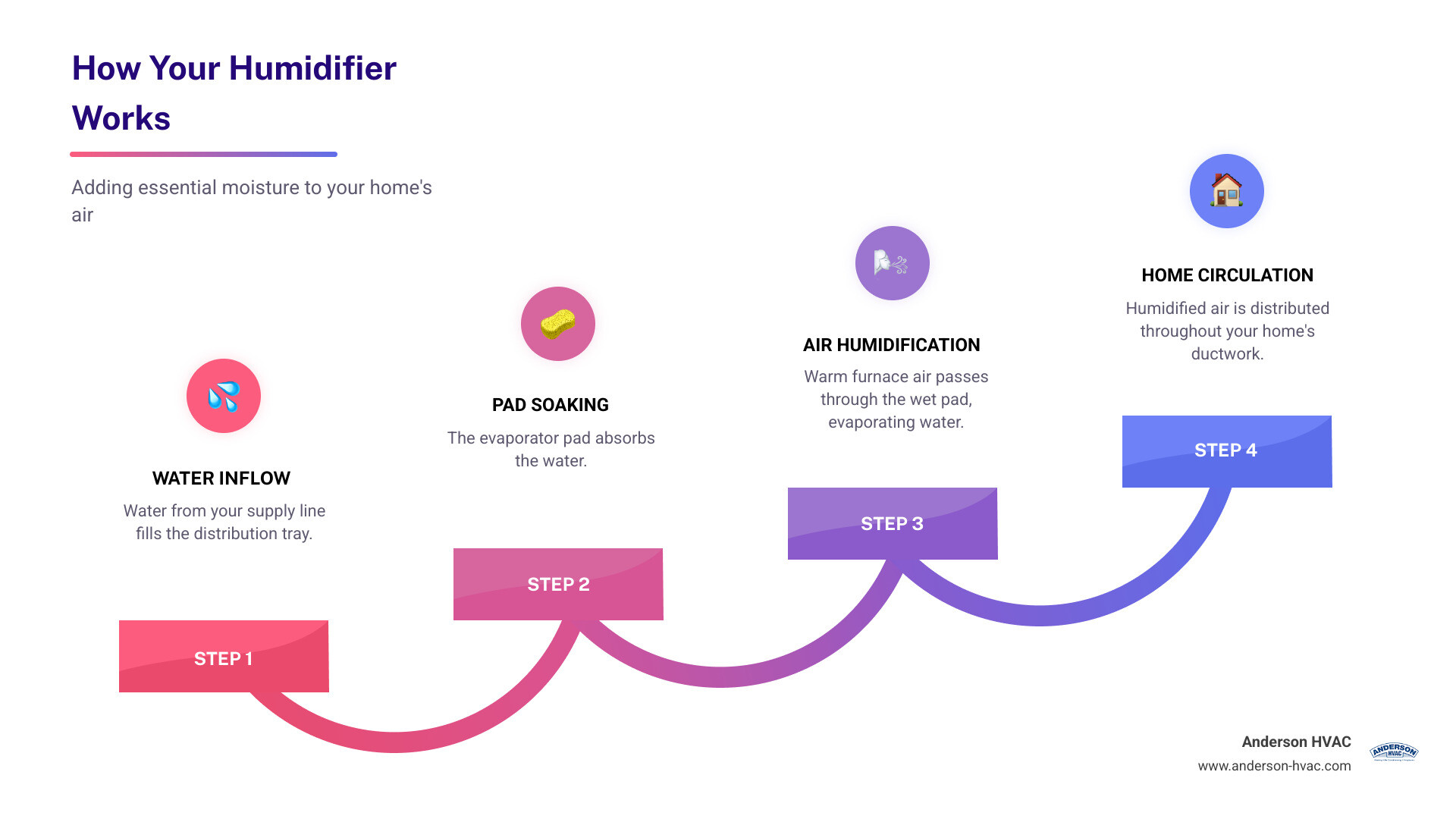
Here’s how it works: Water from your home’s supply saturates the pad. As your furnace pushes warm air through the humidifier, it passes over the wet pad, causing the water to evaporate. This humidified air then circulates through your ducts, adding much-needed moisture to your home during harsh North Ogden winters.
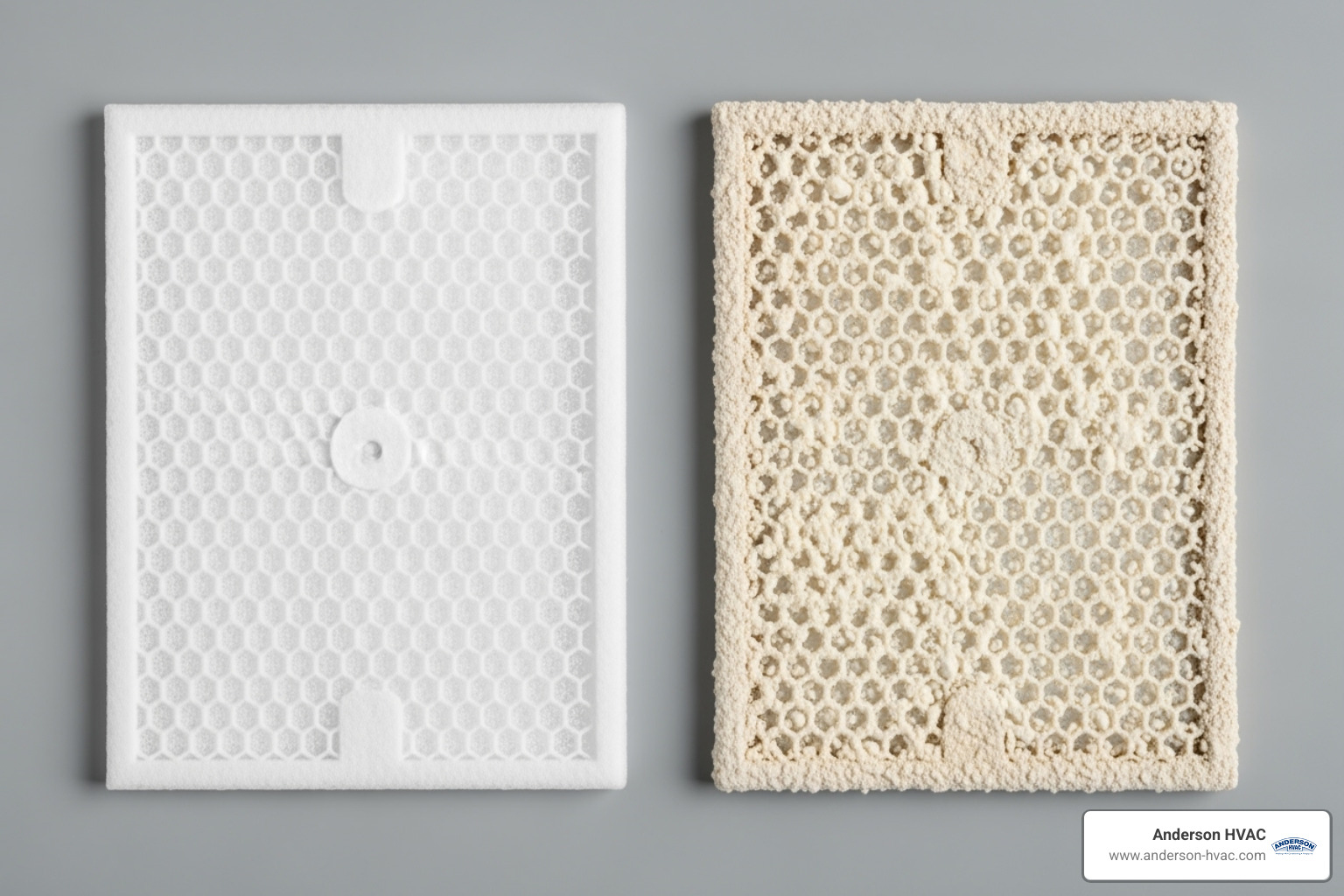
However, tap water contains minerals like calcium and magnesium. These get left behind on the pad, and over time, they accumulate, changing the clean, absorbent surface into a crusty, clogged barrier.
When mineral buildup becomes severe, the pad can no longer absorb water effectively, and airflow is blocked. This means less moisture gets into your air, even as your humidifier works overtime. This reduced efficiency means your system burns energy without delivering results, leaving your home uncomfortably dry.
Understanding the Humidification and Dehumidification Importance helps you see why this small component deserves your attention. If you have a bypass humidifier—the most common type in our area—keeping that pad fresh is absolutely essential. Learn more about our Bypass Humidifier North Ogden UT services to keep your system running smoothly.
Signs You Need a Humidifier Pad Replacement
Your humidifier will show signs when it’s struggling. These warnings start subtle but become harder to ignore as the pad deteriorates.
Reduced humidity output is the first clue. If your humidifier runs but your home still feels dry and your hygrometer readings are low, your pad likely needs replacement.
Musty odors from your vents are a bad sign. A stale or moldy smell when your system starts often indicates a dirty pad with unwanted growth.
Inspect the pad. Visible mineral crust is a clear sign it’s time for a change. A healthy pad is clean, while an old one is covered in white, gray, or greenish deposits.
Increased static electricity is another sign. If you’re getting shocked when touching doorknobs, your air is too dry. If the humidifier is running, a failing pad is the likely culprit.
Pay attention to your body. Persistent dry skin and sinuses, chapped lips, and itchy eyes despite the humidifier running indicate your home’s humidity is too low.
Most manufacturers recommend replacing your pad once per heating season. If you’re wondering how often should the pads of the humidifier be replaced for your specific situation, we’re always happy to help you figure out the right schedule.
Health Risks of an Old Pad
An overdue humidifier pad replacement is more than a comfort issue—it’s a health concern.
Mineral buildup creates a damp, porous surface on the pad, an ideal environment for mold growth and bacteria. These unwelcome guests thrive on a neglected humidifier pad.
When your furnace runs, air passes through the contaminated pad, picking up mold spores and bacteria. These are then distributed throughout your home via the ductwork, contaminating the air you breathe.
This bacteria circulation can trigger problems for those with asthma or respiratory issues, causing respiratory irritation like coughing and wheezing. Your humidifier could be making you sick.
Allergies, especially to mold, can flare up. Symptoms like sneezing, congestion, and itchy eyes often intensify when a dirty humidifier circulates allergens.
The irony is that you installed a humidifier to improve your air quality, but a neglected pad does the opposite. Instead of helping, it degrades the air you breathe.
We take indoor air quality seriously at Anderson HVAC. If you’re concerned about what’s floating around in your home’s air, explore the Power of Air Purifiers and our advanced Filtration North Ogden UT solutions. Your family deserves air that’s truly clean and healthy.
Your Step-by-Step Guide to Humidifier Pad Replacement
Replacing your humidifier pad is a straightforward task most homeowners can handle in about 20 minutes with basic tools. It’s a simple way to keep your humidifier running smoothly.

Before you start, gather a pair of gloves, your new replacement pad, and possibly a screwdriver. Some warm soapy water and a brush for cleaning are also helpful.
First, take these crucial safety steps. Always turn off the power to your furnace and humidifier at the circuit breaker to prevent electrical shock. Next, turn off the water supply using the shut-off valve on the water line. These precautions ensure a safe process.
Regular maintenance like this is part of keeping your whole HVAC system running smoothly. For more helpful tips, check out our HVAC Maintenance North Ogden UT guide. If you prefer a visual walkthrough, we’ve also created a helpful VIDEO: Humidifier Pad Replacement Guide that walks you through the entire process.
List of Simple Steps for Replacing Your Pad
While different humidifier models have their quirks, the basic process is remarkably similar. Here’s how to get it done:
Locate your humidifier unit, typically mounted on the furnace plenum. Remove the fasteners (tabs, latches, or screws) and gently pull off the cover.
Disconnect the water feed tube from the top of the unit. You may need to loosen a compression nut or press a release tab. A little water may dribble out, which is normal.
Slide out the old pad assembly. The pad sits in a frame that slides out. Take a good look at how the old pad is oriented—many have a specific top and bottom, sometimes with paint marks indicating water flow direction.
Remove the old pad from its frame and dispose of it. While the frame is out, clean it thoroughly with warm, soapy water and a brush, scrubbing away any mineral deposits. Rinse it well.
Unpack your new pad and slide it into the clean frame, ensuring it’s oriented exactly as the old one was. It should fit snugly. If your unit has a distribution tray, snap it securely onto the top of the new pad.
Slide the reassembled unit back into the humidifier housing until it clicks into place. It shouldn’t feel loose. Then reconnect the water feed tube, ensuring a snug connection. Replace the cover and secure it.
Finally, restore power and water by turning the circuit breaker and water valve back on. Set your thermostat to call for heat so the furnace kicks on. Your humidifier should activate. Check for any leaks around the water connections.
That’s it—you’ve just completed your humidifier pad replacement! If you run into any issues or prefer to have a professional handle it, we’re here to help. Anderson HVAC has been serving North Ogden families for over 40 years and we’re always happy to lend a hand.
Best Practices for Humidifier Maintenance
Keeping your humidifier in top shape goes beyond just changing the pad once and calling it good. A few thoughtful habits will help your unit perform beautifully, last longer, and keep your home’s air fresh and healthy all winter long. At Anderson HVAC, we’re passionate about Maintaining Your Homes Comfort and helping you achieve Energy Efficiency and Indoor Comfort year-round.
Seasonal replacement is your baseline commitment. Plan to swap out your humidifier pad replacement at least once per heating season, or every three to six months if you run your humidifier heavily. Most manufacturers recommend this schedule, and it aligns perfectly with the natural rhythm of your heating needs. Start fresh at the beginning of each heating season, and you’ll avoid starting the winter with a pad that’s already compromised.
Water quality matters more than you might think. The minerals in your tap water are the primary culprits behind that white, crusty buildup that clogs your pad. If you want to dramatically extend the life of your pad and reduce how often you need to replace it, consider using distilled or demineralized water instead. Yes, it’s an extra step, but the payoff is worth it. Your pad will stay cleaner longer, your humidifier will run more efficiently, and you’ll breathe easier knowing fewer minerals are being left behind.
Regular cleaning of the other components is equally important. While the pad itself gets replaced, the water reservoir, distribution tray, and drain pan all need attention too. Make it a habit to empty the water tank and wipe down these surfaces with a damp cloth regularly. This prevents mineral buildup in areas you might not see and discourages any microbial growth that could compromise your air quality. A clean humidifier is a happy humidifier.
Choosing the Right Type for Your Humidifier Pad Replacement
Not all humidifier pads are the same, and choosing the right type for your unit can make a real difference in performance and longevity. Understanding your options helps you make the best choice for your home and family.
| Pad Type | Material | Lifespan | Best Use Case |
|---|---|---|---|
| Wick Filters | Paper, cellulose, or foam | Varies (seasonal to 6 months) | Standard evaporative humidifiers, common |
| Foam Pads | Synthetic foam | Typically longer than wick (up to a year) | Some evaporative models, can be more durable |
| Antimicrobial | Treated cellulose or foam with coating | Similar to wick/foam, depends on treatment | Homes with allergy sufferers, concerns about mold/bacteria |
Wick filters are the workhorses of the humidifier world. Made from paper, cellulose, or foam, they draw water up through capillary action and expose it to the airflow passing through your system. They’re effective and widely available, but they do tend to accumulate minerals and need regular replacement.
Foam pads offer a bit more durability than traditional wick filters. Their porous structure still allows for excellent water absorption and evaporation, but the synthetic foam material often holds up better over time. If your humidifier uses foam pads, you might get a slightly longer lifespan before needing a replacement.
Antimicrobial pads are specially treated to resist the growth of mold, mildew, and bacteria. If anyone in your household deals with allergies or respiratory sensitivities, or if you’re simply concerned about keeping your air as clean as possible, these pads are worth considering. They provide an extra layer of protection against the contaminants that can build up in a humid environment.
Always check your humidifier’s owner’s manual for the manufacturer’s specific recommendations. Using the right type and model of pad ensures everything fits properly and works as designed.
Prolonging Pad Life and System Efficiency
Want to squeeze every bit of performance out of your humidifier pad replacement and keep your system running like a champ? The secret is surprisingly simple: pay attention to the water you’re using.
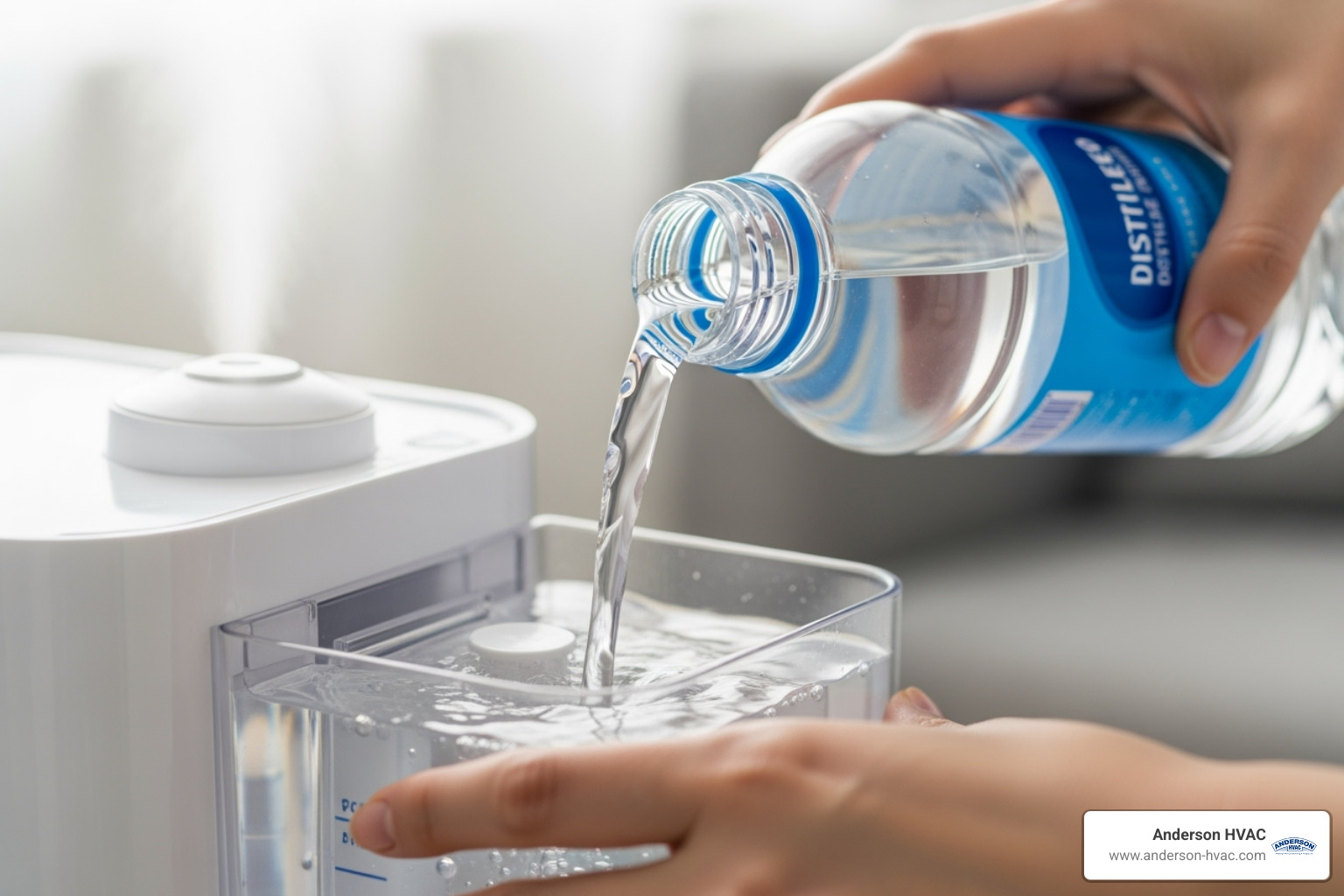
Switching to distilled or demineralized water is the single most impactful change you can make. Tap water contains minerals—calcium, magnesium, and others—that get left behind on the pad when the water evaporates. Over time, these minerals accumulate into that white, crusty layer that clogs everything up. Distilled or demineralized water is free of these minerals, which means your pad stays cleaner and more absorbent far longer. It requires a bit more planning to keep distilled water on hand, but the benefits for both your pad’s lifespan and your indoor air quality are substantial.
Water hardness plays a huge role in how quickly your pad deteriorates. If you live in an area with hard water—and many parts of Utah, including North Ogden, definitely qualify—your pads will clog much faster than they would with soft water. Hard water is loaded with minerals, so even with regular maintenance, you might find yourself doing a humidifier pad replacement every one to two months during heavy use. It’s just the reality of hard water, and it’s why using distilled water becomes even more important.
Even if you’re diligent about using distilled water, seasonal replacement is still essential. At minimum, swap out your pad at the beginning of each heating season and again at the end. Starting fresh ensures optimal performance when you need it most, and replacing the pad at season’s end prevents any lingering moisture from becoming a breeding ground for mold during the warmer months when your humidifier sits idle.
By being mindful of these simple practices, you’ll keep your humidifier working efficiently, delivering consistent humidity, and maintaining cleaner air throughout your home. For more helpful tips on keeping all your home comfort systems in great shape, visit our HVAC Resources North Ogden UT page.
Frequently Asked Questions about Humidifier Pads
Homeowners often have questions about humidifier maintenance. Here are straight answers to the most common ones to help you keep your home comfortable and your air clean.
How often should a humidifier pad be replaced?
While there’s no single answer for humidifier pad replacement, here are some solid guidelines. For most homes, replacing your pad once per heating season (every 6-12 months) is the baseline recommendation. This frequency depends on usage and your water quality.
If you have hard water, minerals will clog your pad much faster, potentially requiring replacement every 1-3 months during heavy use. Manufacturer guidelines are also important. Most recommend replacing pads once per season. Always check your owner’s manual for specific recommendations to maintain your warranty and ensure smooth operation.
The best advice is to inspect your pad visually. If you see mineral buildup, discoloration, or notice a musty smell, it’s time for a change, regardless of the schedule.
Can I clean my humidifier pad instead of replacing it?
While it’s tempting to clean a pad instead of replacing it, this is generally not effective. Most humidifier pads are designed to be disposable. Made from materials like paper or foam, their delicate structure is easily damaged by scrubbing, rendering them ineffective.
More importantly, cleaning doesn’t remove the deep-seated mineral deposits clogging the pad’s pores, which reduces its effectiveness. It also won’t completely eliminate any mold or bacteria that may be present. A damp, partially cleaned pad can become a breeding ground for more contaminants.
Some units have reusable pads designed for cleaning; check your owner’s manual for instructions. For standard disposable pads, however, replacement is the best option for air quality and efficiency.
What is the best time of year to change a humidifier pad?
Timing your humidifier pad replacement can make a real difference. The ideal approach is to change your pad twice a year.
At the end of winter, as the heating season winds down, swap in a fresh pad. This prevents moisture and mineral buildup from sitting in your humidifier all summer, which can lead to mold. Dried sediment can even get pushed into your ductwork as dust when the system restarts.
Then, at the beginning of the heating season, check your pad again. If you didn’t replace it, do it now. Starting fresh ensures your humidifier is ready to deliver optimal humidity when you need it most.
This proactive approach helps in preventing sediment buildup and keeps your home’s air healthy. For more tips on keeping your HVAC system running smoothly, check out our Top 10 HVAC Maintenance Tips for the Holiday Season.
Breathe Easier with Proper Humidifier Care
Taking care of your humidifier pad might seem like a small thing, but it makes a world of difference for your family’s comfort and health. When you stay on top of humidifier pad replacement, you’re doing more than just maintaining a piece of equipment—you’re ensuring that every breath your family takes is cleaner, fresher, and properly humidified. It’s one of those simple proactive maintenance tasks that truly pays off, keeping dry winter air from wreaking havoc on your skin, sinuses, and wooden furniture.
A well-maintained humidifier means improved air quality flowing through every room of your home. You’ll notice fewer static shocks, more comfortable breathing, and a system that runs efficiently without working overtime. Your furnace won’t have to struggle against a clogged, mineral-encrusted pad, which means better system efficiency and lower energy bills. Plus, you’ll have peace of mind knowing you’re not circulating mold spores or bacteria through your ductwork.
We understand that home maintenance can feel overwhelming sometimes. That’s why we’re here. At Anderson HVAC, we’ve been a family-owned HVAC contractor serving North Ogden, Kaysville, Clinton, Farmington, and surrounding communities for over 40 years. We believe in excellent, individualized service because we know every home and every family has unique needs. Whether you want to tackle your humidifier pad replacement yourself or prefer having our experienced team handle it for you, we’re always ready to help.
If you have questions about your humidifier, or if you’d simply like the confidence that comes with professional service, our expert technicians are just a phone call away. We’re passionate about home comfort and take pride in helping families breathe easier all winter long. Don’t let a dirty pad compromise the air your family breathes. Ready to ensure your system is running at its best? Schedule HVAC Service with us today. For a professional assessment and service for all your home comfort needs, explore our Comprehensive Indoor Air Quality Solutions. We’re here to help you maintain a healthy, comfortable home—one breath at a time.