



Why Clean Indoor Air Matters More Than Ever
Air filtration services help remove pollutants, allergens, and contaminants from your indoor air through professional assessment, installation, and maintenance of filtration systems. These services typically include:
- Professional air quality assessment – Testing your home to identify specific pollutants and indoor air quality issues
- System selection and customization – Choosing the right filtration technology (HEPA, carbon, whole-house) for your needs
- Expert installation – Ensuring filters are properly integrated with your HVAC system for maximum effectiveness
- Ongoing maintenance and filter replacement – Regular service to keep your system performing at peak efficiency
- Energy efficiency optimization – Selecting filters that clean your air without dramatically increasing utility costs
I never thought much about the air inside my home until my daughter started having trouble with seasonal allergies year-round. That’s when I realized the air we were breathing indoors might be part of the problem. According to industry research, HVAC air filters can account for around 16% of a commercial building’s total electricity bill, which means they’re working hard – but are they working smart?
My journey to find the right air filtration services taught me that clean air isn’t just about comfort – it’s about health, energy efficiency, and peace of mind.
Whether you’re dealing with allergens, pet dander, volatile organic compounds, or just want fresher air, understanding your options makes all the difference. Learn more about comprehensive indoor air quality solutions or get expert filtration services in North Ogden, UT to start breathing easier today.
Step 1: I Assessed My Home’s Indoor Air Quality Needs
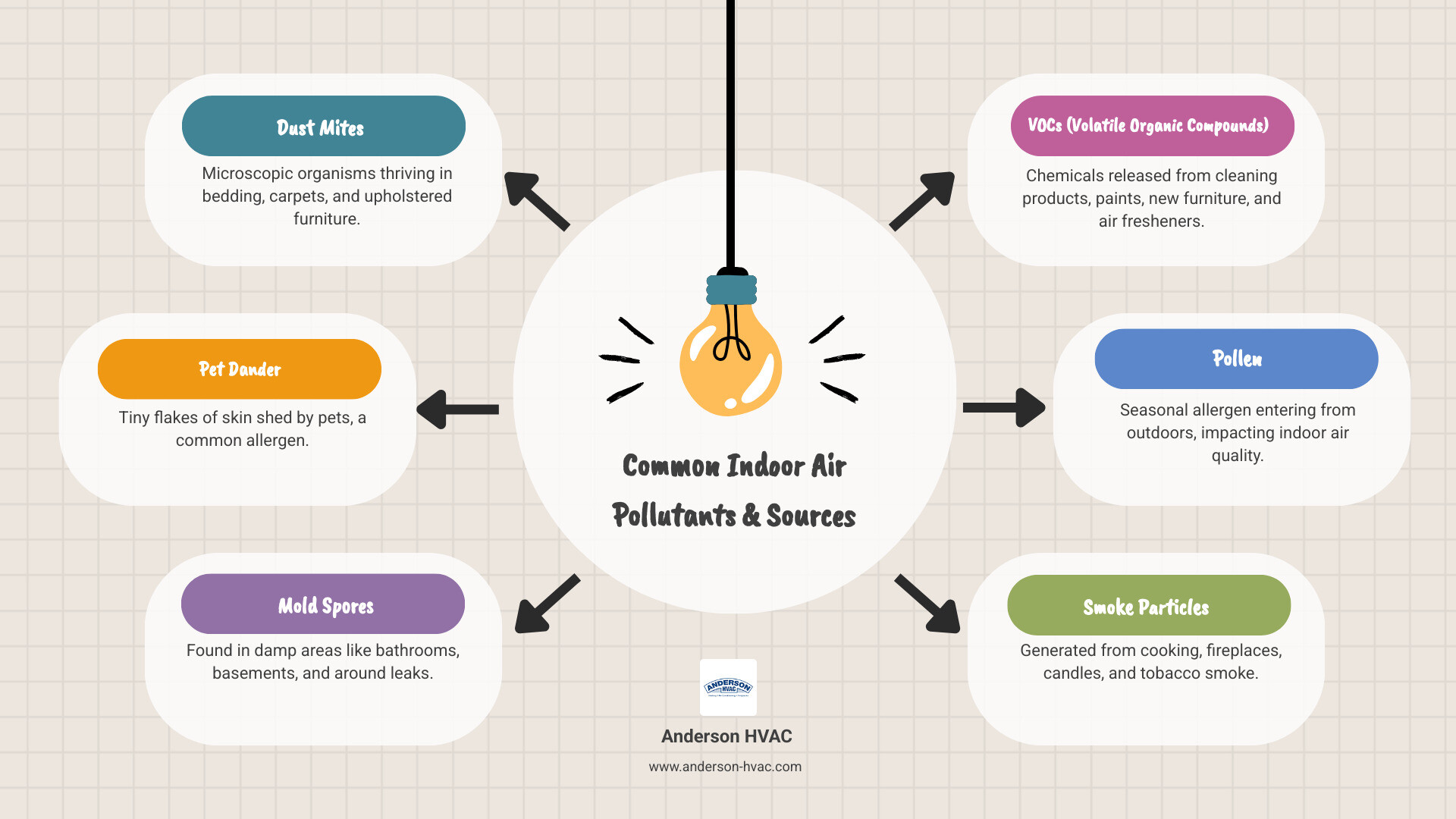
Before diving into solutions, I knew we needed to understand exactly what we were dealing with. Here’s something that surprised me: the air inside our homes can actually be more polluted than the air outside! In our case, we were dealing with the usual suspects—dust, pet dander from our beloved golden retriever, and those stubborn cooking smells that seemed to linger for days.
But as I dug deeper, I finded we had bigger concerns lurking in our indoor air.

The most common indoor pollutants I learned about included allergens and pet dander—those microscopic particles from dust mites, pet skin flakes, pollen that sneaks indoors, and mold spores. These are notorious for triggering allergies and asthma, which explained a lot about my daughter’s symptoms.
Then there were Volatile Organic Compounds, or VOCs. These are gases that come from everyday items like paints, cleaning supplies, air fresheners, furniture, and even some building materials. They can cause everything from headaches and nausea to more serious long-term health issues. I had no idea our “fresh linen” air freshener might actually be making our air quality worse!
I also finded we needed to worry about particulate matter from cooking, candles, and our fireplace, plus bacteria and viruses that can circulate through our home’s air.
The signs of poor indoor air quality were suddenly everywhere once I knew what to look for. My daughter’s persistent sneezing and congestion, even when it wasn’t allergy season, was our biggest red flag. But I also noticed we had more dust accumulation than seemed normal, occasional musty odors, and my husband mentioned feeling more fatigued at home than he should.
The reality hit me: simply cracking open a window wasn’t going to cut it. We needed a real plan to create a safer indoor environment for our family. Understanding that air quality is measured by the levels of pollutants, allergens, and contaminants in the air was the crucial first step in finding the right air filtration services for our home.
This assessment process helped us identify our specific needs and pointed us toward solutions that would actually work. For a deeper dive into improving your home’s air quality, explore more info about comprehensive IAQ solutions.
Step 2: I Explored the Different Types of Air Filtration Systems
Once we understood what we were up against, the next step was figuring out how to combat it. I’ll be honest – air filtration felt overwhelming at first. There are so many different systems, technologies, and options that I didn’t even know existed. But as I dug deeper, I finded that this field has incredible depth and innovation behind it, with some companies bringing decades of expertise to the table.
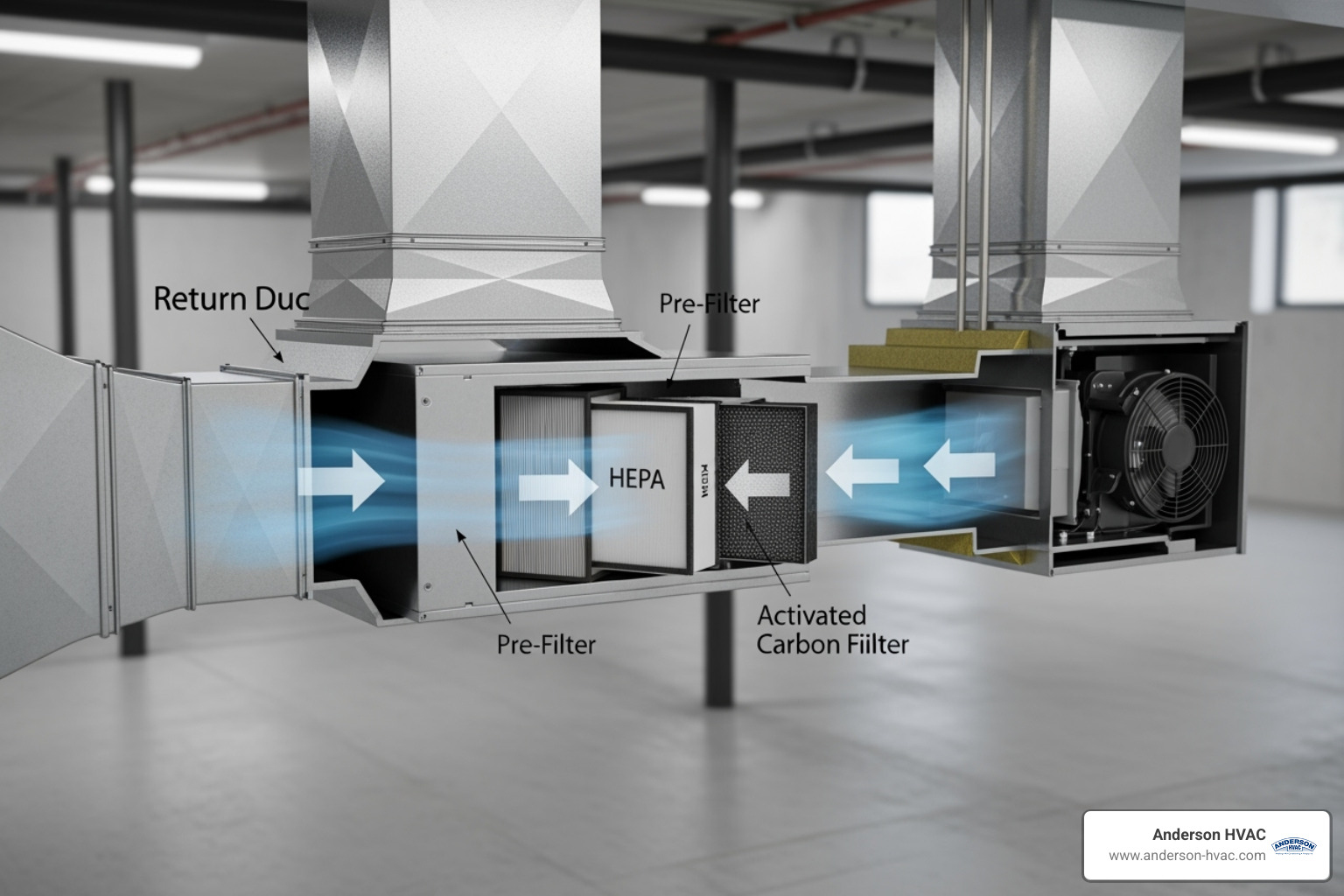
The first big decision was understanding the fundamental difference between whole-house systems and portable air purifiers. Whole-house systems integrate directly with your existing HVAC system, filtering all the air that circulates through your home. Every time your heating or cooling kicks on, you’re getting cleaner air throughout every room. Portable air purifiers, on the other hand, are standalone units that work great for targeted purification in a single room or smaller area – perfect if you just need help in a bedroom or home office.
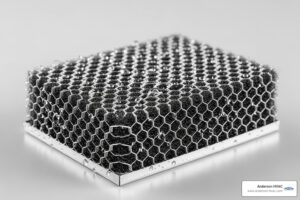
Then came the question of how these systems actually clean the air. Mechanical filters work by physically trapping particles as air passes through a dense mesh of fibers. Think of it like a really sophisticated net. The effectiveness depends entirely on how tight that “net” is woven.
HEPA filtration took this concept to the next level for us. High-Efficiency Particulate Air filters are designed to capture at least 99.97% of airborne particles that are 0.3 microns in size. To put that in perspective, that’s smaller than most bacteria and includes dust, pollen, mold spores, and the pet dander that was causing my daughter’s symptoms. HEPA filters are widely considered the gold standard for particle removal, and they’re used in hospitals and healthcare environments for good reason.
But particles aren’t the only problem. We also needed something to tackle odors and gaseous contaminants. That’s where activated carbon filters come in. These filters excel at removing VOCs, smoke, cooking smells, and other odors by actually absorbing the molecules rather than just trapping them. For families dealing with multiple air quality issues, combining HEPA and activated carbon filtration often provides the most comprehensive solution.
You can discover the power of air purifiers to understand how these systems can transform your home’s air quality.
Understanding Whole-House Air Filtration
For our family, the idea of filtering the air in just one room felt like putting a band-aid on a bigger problem. My daughter wasn’t spending all her time in one spot – she was moving from her bedroom to the living room to the kitchen. We needed a solution that would follow her throughout the house, which is exactly what led us to whole-house air filtration services.
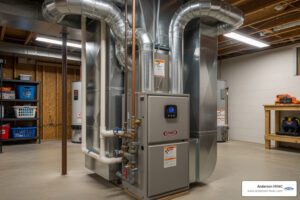
The beauty of these systems is their integrated HVAC solutions approach. They work seamlessly with your existing heating and cooling system, requiring no extra floor space for bulky units. It’s invisible protection that’s always working in the background.
What really sold us was the concept of centralized purification. Instead of worrying about whether we’d turned on the purifier in each room, we knew that every single breath throughout our home was being filtered. The air in the basement was just as clean as the air in the upstairs bedrooms.
Many professional services offer custom-made filters sized specifically for your HVAC unit. This isn’t just a nice perk – it’s actually crucial for preventing air bypass, where unfiltered air sneaks around the edges of an ill-fitting filter. Custom sizing means maximum efficiency and no wasted energy.
We also appreciated the reduced maintenance compared to managing multiple portable units. Yes, filters still need changing, but dealing with one whole-house system felt far more manageable than keeping track of several individual purifiers. And the result was consistent air quality throughout our entire home. No more wondering if one room was cleaner than another – everything was uniformly healthier.
Choosing the Right Filters for Specific Needs
Here’s where things got personal. Selecting the right filter isn’t a one-size-fits-all decision – it depends entirely on what you’re trying to remove from your air and what matters most to your family.
Since our main concerns were allergies and pet dander, we needed filters specifically designed for allergen and particle removal. High-efficiency mechanical filters, especially HEPA-grade options, became our focus. These capture the tiny particles that were triggering my daughter’s symptoms – the dust mites, pollen, mold spores, and those microscopic pet skin flakes from our golden retriever.
But we also wanted to address odor and gas control. Between cooking, the occasional pet accident, and the VOCs from our relatively new furniture, we needed something that could tackle gaseous pollutants. That’s where activated carbon filters proved invaluable. They made a noticeable difference in how fresh our home smelled, especially after cooking fish or when we’d been away for a few days.
Then came the education on MERV ratings. MERV stands for Minimum Efficiency Reporting Value, and it’s essentially a report card for how well a filter captures particles. The scale typically runs from 1 to 20. Basic MERV 1-4 filters catch large stuff like lint and visible dust. MERV 5-8 filters are better for general residential use, capturing mold spores and pet dander. MERV 9-12 filters are excellent for homes with pets or allergy sufferers like ours. And MERV 13-16 offers hospital-grade filtration.
We realized we didn’t need a MERV 16 filter (that’s more for cleanrooms and highly sensitive environments), but we certainly needed something more robust than a basic MERV 4. Matching filters to household concerns became our guiding principle. Every home is different, and what works for a pet-free apartment won’t be the same as what works for a house with two dogs and a cat.
Professional services can help steer these choices, ensuring you get the right filtration capacity for your specific situation.
Step 3: I Weighed Key Factors Like Energy Efficiency and Sustainability
As a family, we’re always looking for ways to be more mindful of our environmental footprint and our utility bills. So when it came to choosing air filtration services, energy efficiency and sustainability weren’t just nice-to-haves—they became essential decision-making factors. What we finded genuinely surprised us and changed how we thought about air filters entirely.

I’ll be honest—I never thought much about how air filters affected our energy bills. But then I learned something eye-opening: on average, 50% of a building’s energy consumption goes toward heating, cooling, or moving air. Even more striking? HVAC air filters alone can account for around 16% of total electricity costs. That number stopped me in my tracks. Suddenly, choosing the right filter wasn’t just about breathing cleaner air—it was about making a smart financial decision too.
Energy efficiency became our focus. A clogged or poorly designed filter forces your HVAC system to work overtime, straining to push air through and guzzling electricity in the process. We learned that high-quality, energy-efficient filters maintain optimal airflow while still capturing the pollutants we wanted to eliminate. This means your system runs smoothly, uses less power, and experiences less wear and tear over time. While the initial investment for a premium filter might be higher, the energy savings from efficient filters quickly add up through lower monthly utility bills and potentially fewer repair calls down the road.
Then there’s the sustainability piece, which honestly matters more to us with each passing year. We wanted to make choices that wouldn’t just benefit our family but would also be kinder to the planet. Thankfully, the air filtration industry is evolving in exciting ways. Some filters now use biobased materials sourced from renewable resources rather than petroleum-based plastics. Others offer biodegradable options that break down naturally after disposal, keeping them out of landfills. We also found filters designed with extended lifespans, meaning fewer replacements and less overall waste.
What really struck me was realizing that disparities exist among filters not only in how well they clean your air but also in their energy consumption and environmental impact. Evaluating filters based on both effectiveness and energy use became crucial for us. Making sustainable choices isn’t just a requirement for businesses anymore—it’s increasingly important for homeowners who want to do right by their families and the environment. And the best part? We didn’t have to sacrifice quality to make those choices.
As we dug deeper into creating the healthiest home environment possible, we also finded that filtration is just one piece of a larger puzzle. Understanding humidity’s role in IAQ helped us see the bigger picture—that truly comfortable, healthy indoor air requires attention to multiple factors working together in harmony.
Step 4: Finding the Right Professional Air Filtration Services
After weeks of research, we finally knew what we wanted: a whole-house system with high-efficiency, energy-conscious filters that could tackle both particles and odors. But here’s where reality hit—this wasn’t something I could just order online and install myself on a Saturday afternoon. The complexity of integrating a system with our existing HVAC and ensuring it actually performed as promised meant we needed professional air filtration services.
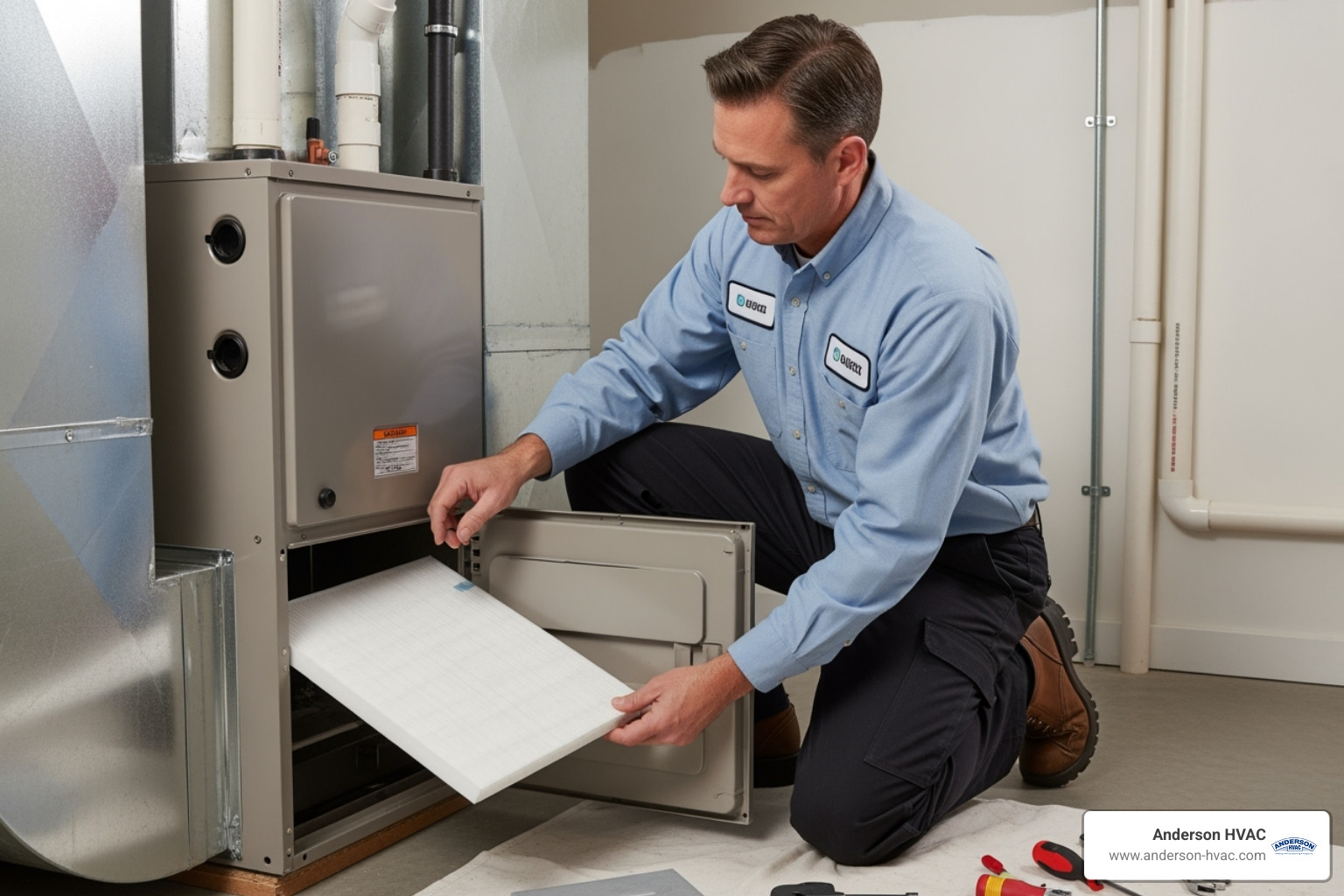
I’ll be honest—I initially considered installing the filters myself. But the more we learned, the more we realized that professional installation and ongoing service weren’t just nice-to-haves; they were essential for getting the results we wanted.
Companies with decades of experience, like Anderson HVAC with over 40 years serving families in North Ogden, bring something invaluable to the table: they’ve seen it all. They understand how different homes have different airflow patterns, how ductwork affects filtration efficiency, and how to optimize systems for specific environments. This expertise matters because air filtration systems can significantly improve not just air quality, but also how efficiently your entire HVAC system operates.
What really impressed us was finding that professional air filtration services cover the entire journey—from that initial assessment all the way through installation and ongoing maintenance. This comprehensive approach means better quality control, solutions customized for our specific needs, and installation that actually works the first time. We learned that proper installation and regular maintenance by professionals means your system runs efficiently, improving operational efficiency and reducing those frustrating breakdowns that always seem to happen at the worst possible times.
Beyond the technical expertise, we also learned that filtration is just one piece of creating a truly healthy home environment. Understanding the importance of proper ventilation helped us see the bigger picture of indoor air quality.
The Assessment Process for Air Filtration Services
When we finally reached out to get professional help, I expected a quick sales pitch. Instead, what we got was a thorough, thoughtful assessment that genuinely impressed us. The technician wasn’t just trying to sell us the most expensive system—he was actually listening to our concerns and investigating our home.
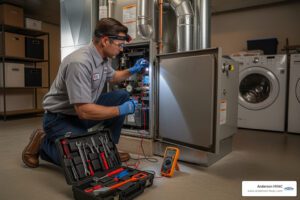
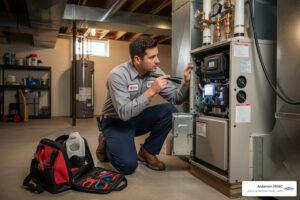
The facility inspection was eye-opening. The technician walked through our home, examining our existing HVAC units, checking the ductwork, and looking at our current filtration setup. He pointed out a few areas where we had air leaks we didn’t even know existed and explained how these were affecting our air quality and energy efficiency. He also assessed the overall airflow dynamics throughout the house, noting which rooms seemed to have better circulation than others.
What surprised me most was learning about indoor air quality testing. Professionals can actually conduct detailed tests to identify specific pollutants, allergen levels, and other contaminants that might be lurking in your air. This testing showed us exactly what we were dealing with—in our case, higher-than-expected levels of pet dander (thanks to our golden retriever) and some VOCs we hadn’t anticipated.
Based on this thorough inspection and testing, the technician identified our unique facility needs. Every home is different, and ours had its own specific challenges—the pet allergies, some lingering odors from cooking, and concerns about dust accumulation. With this clear picture, he provided custom recommendations that made sense for our situation. He explained specific filter types, discussed MERV ratings in plain English, talked about realistic filter change frequencies, and showed us how everything would integrate with our existing system.
This structured approach to system testing and recommending solutions ensured that what we ultimately chose would actually work for our home. It wasn’t a one-size-fits-all solution—it was designed specifically for us, ensuring optimal performance for our unique environment.
Why Professional Installation of Your Air Filtration Services Matters
I’ll admit, I’m usually pretty handy around the house. I’ve tackled plenty of DIY projects over the years. But when it came to installing our air filtration system, I’m so glad we went with professionals. Here’s why it matters more than you might think.
Proper filter seating might sound like a minor detail, but it’s actually critical. Filters must fit snugly within their housing—even a small gap can allow unfiltered air to bypass the filter entirely, rendering it nearly useless. It’s like having a screen door that doesn’t close all the way; sure, it stops some bugs, but plenty still get through. Professionals ensure a perfect fit, preventing air bypass and making sure every bit of air flowing through your system gets cleaned.
Then there’s the impact on your HVAC system itself. An incorrectly installed filter can restrict airflow, forcing your furnace or air conditioner to work much harder than it should. This added strain leads to increased energy consumption (hello, higher utility bills), premature wear and tear on expensive components, and ultimately a shorter lifespan for your entire HVAC unit. We learned that proper installation is crucial for optimal filter performance, and that expert installation ensures effectiveness—because improper installation can dramatically reduce how well even the best filter works.
By reducing strain on HVAC equipment through correct installation, professionals help your system operate at peak efficiency. Your furnace or air conditioner runs smoothly, uses less energy, and lasts longer. It’s an investment that protects your larger investment in your home’s heating and cooling system.
There’s also the safety aspect. Some filtration systems involve electrical components or require careful handling. Professionals are trained to install these safely and correctly, following manufacturer specifications and local codes. It gave us real peace of mind knowing everything was done right.
Maximizing system lifespan became a priority for us once we understood the connection between proper installation and long-term performance. It’s a small step that makes a huge difference in the health, efficiency, and longevity of your home’s air quality system—and honestly, the peace of mind from knowing it’s done right is invaluable.
Conclusion: My Final Decision and the Importance of Ongoing Maintenance
Looking back at our journey, I’m amazed at how much we learned about air filtration services. What began as a simple concern about my daughter’s sneezing turned into a comprehensive education about indoor air quality. We assessed our home’s specific needs, explored the different filtration technologies available, considered energy efficiency and sustainability, and ultimately partnered with professionals who could bring it all together.
The change in our home has been remarkable. My daughter’s allergy symptoms have noticeably improved, and there’s just a freshness to the air that we didn’t have before. We don’t see nearly as much dust settling on our furniture, and even our dog seems to breathe easier. It’s one of those changes that you might not notice immediately, but once you experience it, you can’t imagine going back.
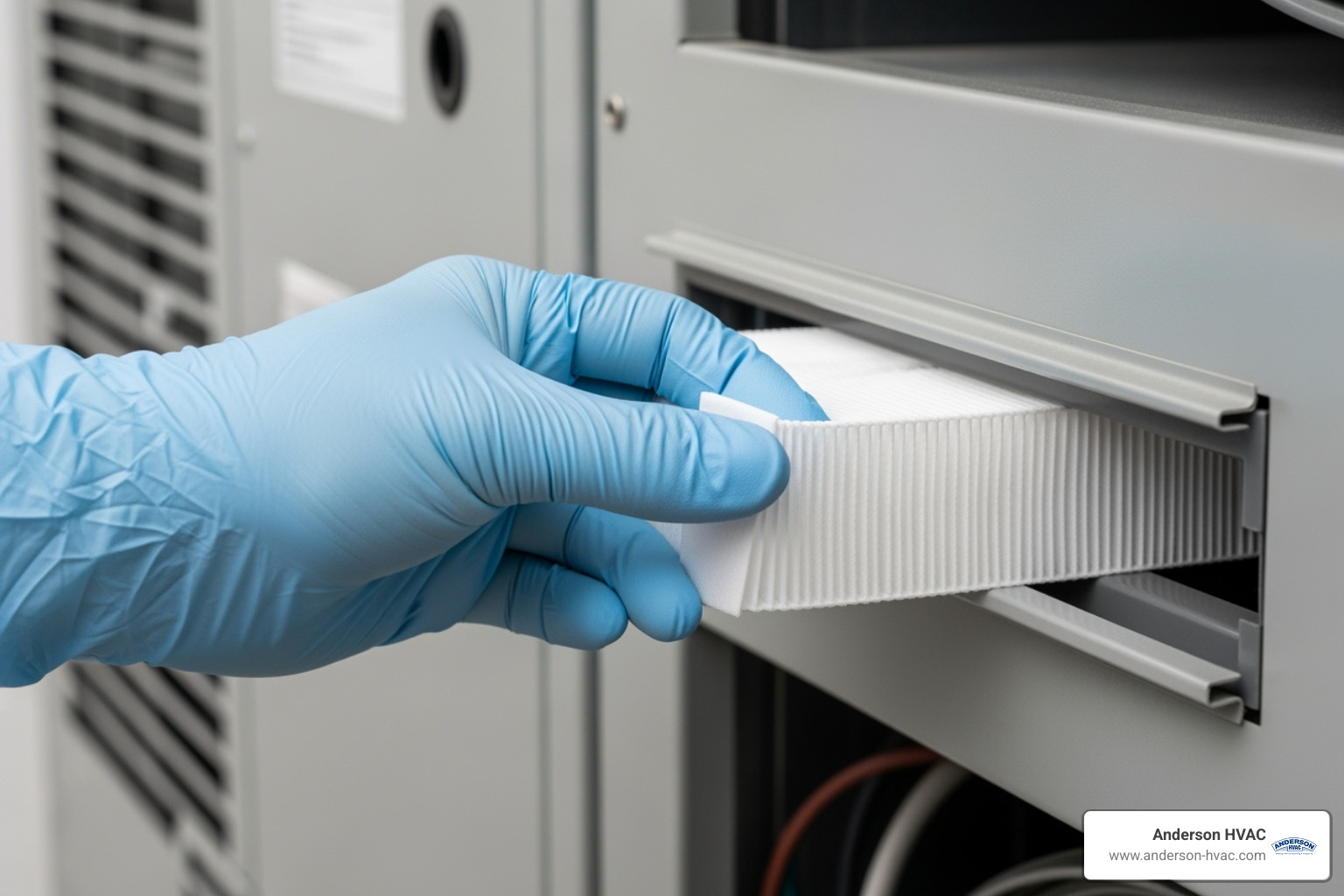
But here’s something I didn’t fully appreciate until after our system was installed: the work doesn’t stop once the filters are in place. Regular maintenance is absolutely essential for keeping your air clean and your system running efficiently. Think of it like this—your filters are constantly working to capture pollutants, allergens, and dust. Over time, they fill up with all that gunk they’ve been trapping. A clogged filter doesn’t just stop working well; it actually makes your HVAC system work harder, driving up your energy bills and potentially shortening the life of your equipment.
We learned that creating a long-term maintenance plan is just as important as choosing the right system in the first place. Regular filter changes keep everything running smoothly, maintain that wonderful air quality we worked so hard to achieve, and protect the investment we made in our home’s comfort. Some filters need changing every month or two, while others can last three to six months—it all depends on your specific system and household conditions.
That’s where Anderson HVAC has been invaluable for us. As a family-owned HVAC contractor in North Ogden with over 40 years of experience, they’ve provided the kind of personalized attention that makes all the difference. They don’t just install a system and disappear—they’re there for the ongoing maintenance, answering questions, and making sure everything continues to perform at its best. Their commitment to excellent, individualized service means we’re never left wondering whether our system is doing its job.
For anyone considering improving their home’s air quality, I can’t stress enough how worthwhile this journey has been. The health benefits alone—from better sleep to fewer allergy symptoms—have been life-changing for our family. And knowing that we’ve made energy-efficient, sustainable choices gives us peace of mind that extends beyond just our own home.
If you’re ready to take the next step toward cleaner, healthier air, you can find comprehensive indoor air quality solutions or get expert filtration services in North Ogden, UT. Your family’s health and comfort are worth it, and with the right professional support, you’ll wonder why you didn’t do it sooner.