


Get Ready for Winter: Your Essential Home Winterization and Maintenance Checklist
Getting your home ready for winter means taking a smart, step-by-step approach to maintenance. This will keep you comfortable, prevent unexpected breakdowns, and help you save on energy costs. This guide is your complete roadmap for winterizing your home, covering everything from your HVAC system and plumbing to electrical safety, sealing up drafts, and why local expertise in Utah and nearby areas makes a big difference. You’ll learn about the importance of regular tune-ups, improving insulation, preparing an emergency kit, and how the pros at Anderson Heating, Cooling, Plumbing & Electric can help keep your home safe and efficient all season long. We’ll cover:
- A detailed checklist for winter HVAC maintenance
- Smart ways to avoid frozen pipes
- Crucial electrical safety checks and how to use generators
- Tips for winterizing your whole house to save energy
- The advantages of choosing local professionals with regional knowledge
What’s on the Ultimate Winter HVAC Maintenance Checklist?
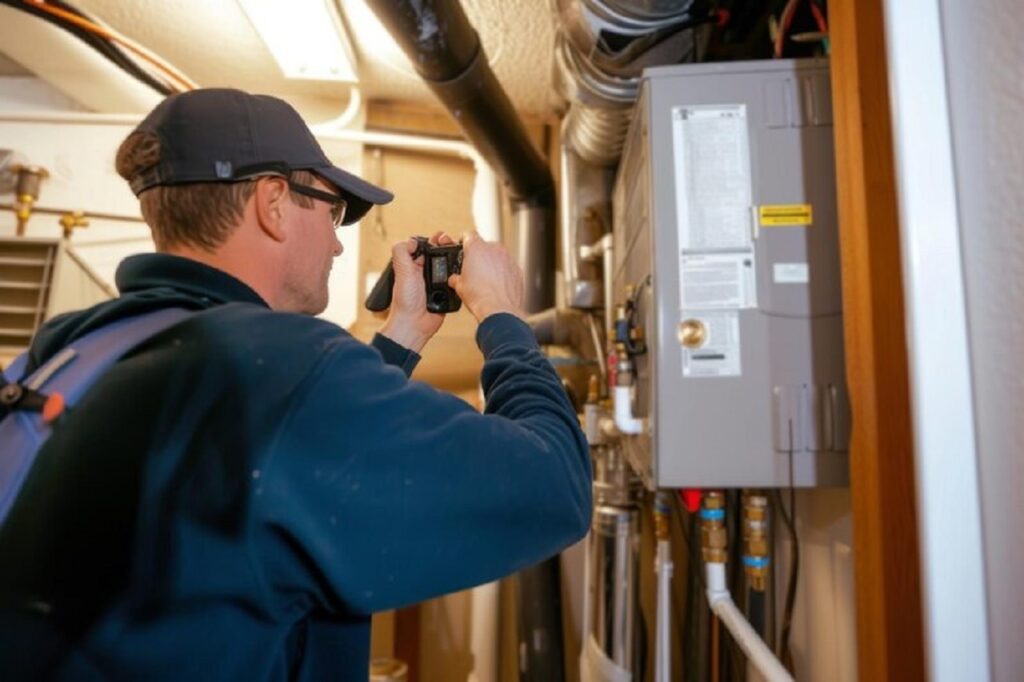
Your winter HVAC maintenance checklist includes the key tasks that ensure your heating system works its best, uses less energy, and lasts longer. By checking and servicing your furnace, heat pump, air filters, thermostat, and ductwork before the cold weather hits, you can avoid breakdowns and stay comfortably warm. For instance, a thorough furnace tune-up involves cleaning the burners, inspecting the heat exchanger, and calibrating safety controls, which can boost heat output by as much as 30 percent. Understanding how each part functions is the first step toward reliable heating when you need it most.
The core of this checklist involves a furnace tune-up, a heat pump inspection, changing your air filter, setting up your smart thermostat, and sealing your ductwork. Taking care of these five areas proactively means better airflow, consistent temperatures throughout your home, and lower energy bills. Keeping up with these tasks also improves your indoor air quality and reduces the risk of carbon monoxide. Below, you’ll find a table that breaks down each item, what to focus on during inspection, and the benefits you can expect.
| System Component | Inspection Focus | Key Benefit |
|---|---|---|
| Furnace Tune-Up | Burners, safety controls | Consistent heat output and energy savings |
| Heat Pump Maintenance | Refrigerant charge, coils | Reliable operation and defrost efficiency |
| Air Filter Replacement | Filter rating, seal fit | Improved air quality and system airflow |
| Smart Thermostat Setup | Temperature programming | Optimized heating schedules and savings |
| Ductwork Sealing | Leak detection, sealing | Reduced heat loss and balanced airflow |
This breakdown shows how each of these actions improves your system’s performance and leads us to the next important topic: protecting your pipes.
How Does a Furnace Tune-Up Make Your Winter Heating More Efficient?
A furnace tune-up boosts winter heating efficiency by cleaning essential parts, adjusting the burner for optimal combustion, and confirming all safety features are working correctly. When the burners are properly aerated and the heat exchanger is inspected, your furnace converts fuel to heat more effectively, providing steady warmth without wasting energy. Regular tune-ups can lower your yearly heating expenses by up to 30 percent and reduce the chances of issues like flame rollout or carbon monoxide leaks. Technicians also test the ignition system and airflow to ensure every heating cycle runs at its best, setting the stage for long-term reliability.
What Are the Key Steps for Winter Heat Pump Maintenance?
Winter maintenance for your heat pump includes checking refrigerant levels, inspecting the condition of the coils, and making sure the defrost cycle is working properly. Verifying the defrost sensors and timers prevents ice buildup, which can interfere with heat transfer and put extra strain on the compressor. Lubricating motor bearings and replacing any worn belts also contribute to quieter, more efficient operation. Consistent maintenance helps reduce electricity usage during freezing temperatures and ensures a steady supply of heat when the weather gets very cold. HVAC maintenance is important for efficiency.
When and How Should You Replace Air Filters for Winter?
It’s best to replace your air filters for winter at the beginning of the heating season and then every 60 days after that. If you use high-efficiency MERV-rated filters, you might need to change them monthly. Properly installed filters prevent dust from accumulating on your coils, maintain balanced airflow, and protect delicate components from stress. A clean filter helps improve your indoor air quality by capturing allergens and reduces the energy your furnace fan uses. Always choose filters that are compatible with your system and make sure they fit snugly to create a good seal.
How Can Smart Thermostats Optimize Your Home Heating in Winter?
Smart thermostats make your home heating more efficient by learning your household’s schedule, adjusting temperatures during peak energy rate times, and lowering the heat when rooms are empty. Features like remote programming and geofencing mean your home is warm when you arrive, while also saving energy overnight. Built-in humidity sensors and weather-adaptive technology fine-tune performance, potentially saving you up to 10 percent more. This level of control not only cuts down on your utility bills but also makes your home more comfortable.
Why Is Inspecting and Sealing Ductwork Important Before Winter?
Inspecting and sealing your ductwork helps identify leaks where heated air can escape into unconditioned spaces. This loss of air reduces your system’s efficiency and can create uneven temperatures, leading to hot and cold spots. Sealing these leaks with mastic or special tape improves airflow balance and means your system’s blower doesn’t have to run as long. Properly sealed ducts can reclaim up to 20 percent of lost heat, directly impacting your energy bills. This step ensures the warmth your furnace or heat pump produces actually reaches your living areas without significant loss. Duct cleaning services
How Can You Prevent Frozen Pipes During Winter?
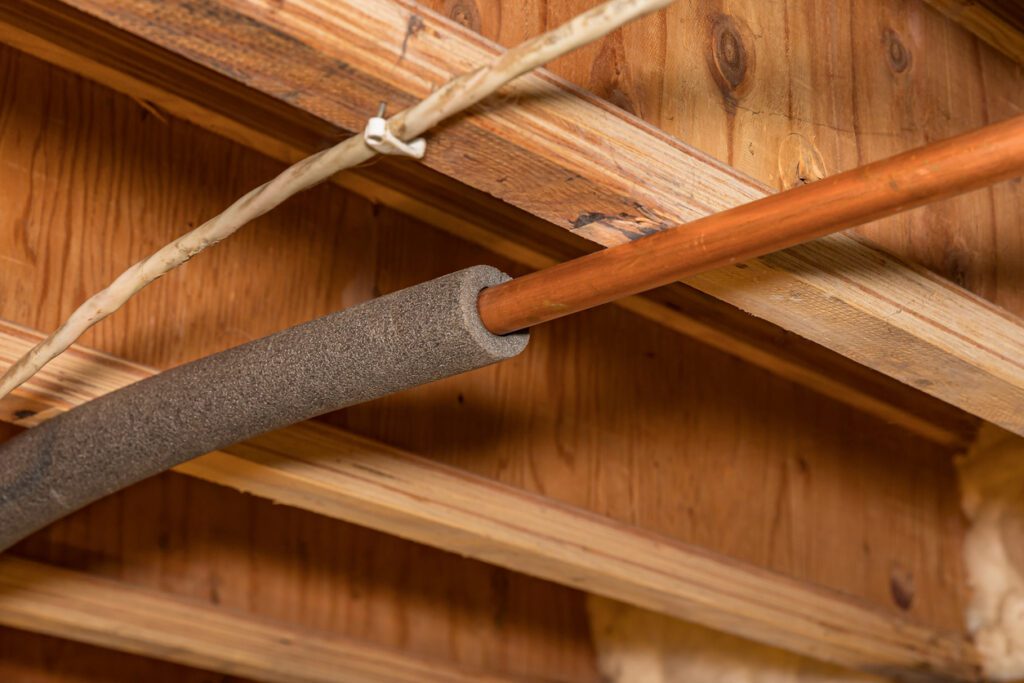
Preventing frozen pipes involves insulating exposed plumbing, keeping your indoor temperature consistent, and taking steps to drain water from outdoor lines. Insulation helps reduce heat loss through walls and crawl spaces, while maintaining a steady indoor temperature above 55°F prevents the water inside your pipes from freezing. For example, wrapping vulnerable copper supply lines with foam sleeve insulation helps maintain water flow even when outdoor temperatures drop well below freezing. These measures significantly reduce the risk of costly pipe bursts and water damage. Indoor air quality can also be affected by temperature fluctuations.
Here are some best practices for protecting your pipes in three key situations:
- Insulate pipes located in unheated areas like basements, garages, and attics. Use foam sleeves designed for sub-zero temperatures.
- Winterize outdoor faucets and irrigation lines by shutting off the water supply and opening the spigots to let any remaining water drain out.
- Keep an eye on your indoor temperature, especially if you’re away for extended periods. Consider using a backup heater near vulnerable plumbing.
These steps help maintain your plumbing system’s integrity and naturally lead into what to do if prevention isn’t enough.
What Are the Best Methods for Pipe Insulation and Protection?
How Should Outdoor Faucets Be Winterized to Avoid Damage?
When Should You Call for Emergency Frozen Pipe Repair?
How Does Maintaining Water Heaters Help Winter Plumbing Safety?
What Are the Most Important Electrical Safety Tips for Winter?
Electrical safety tips for winter focus on checking your electrical panel, testing circuit breakers, and ensuring your heating devices are used safely. A thorough home electrical safety check includes verifying ground-fault protection, confirming outlet load capacities, and inspecting how extension cords are being used. These actions help prevent overloaded circuits, which can create sparks and fire hazards when heating elements draw a lot of power. If you notice any scorch marks or breakers that trip frequently, get them inspected immediately to prevent minor issues from becoming major emergencies. heating services
Following safe practices for space heaters and generators further ensures reliable power. Space heaters should always be kept at least three feet away from anything flammable and plugged directly into a wall outlet on a dedicated circuit. Portable generators need to be properly grounded, stored safely with fuel, and tested regularly to ensure they work when you need backup power during an outage. Taking these precautions reduces electrical risks during winter and contributes to overall home safety.
How to Perform a Winter Electrical Safety Checklist at Home?
What Are Safe Practices for Using Space Heaters in Winter?
How Can Generators Be Safely Used During Winter Power Outages?
How Do You Winterize Your Home for Energy Efficiency and Comfort?
Winterizing your entire home involves sealing drafts, improving insulation, and preparing an emergency storm kit to ensure warmth, safety, and self-sufficiency. Weatherstripping doors and windows closes gaps where heat can escape, while adding insulation to attics and walls increases thermal resistance, indicated by higher R-values. A well-stocked winter storm kit with essentials like flashlights, blankets, non-perishable food, and battery-powered lanterns prepares you for severe weather. These combined efforts reduce the workload on your heating system and make your home more resilient.
What Are the Best Ways to Seal Drafts and Air Leaks Before Winter?
How Can Insulation Upgrades Reduce Winter Heat Loss?
What Should Be Included in a Winter Storm Preparedness Kit?
Why Is Professional Winter Home Preparation Important in Utah and Surrounding Areas?
Getting your home professionally prepared for winter means you benefit from expert diagnostics, solutions tailored to our region, and quick help when emergencies strike in Utah and nearby areas. Local technicians understand the specific climate challenges here, from inversions in mountain valleys to cold snaps in the desert. This ensures services like furnace tune-ups, pipe insulation, and electrical safety checks are performed with your specific needs in mind. By using the comprehensive services from Anderson Heating, Cooling, Plumbing & Electric, you get a single, reliable source for all your HVAC, plumbing, and electrical winter needs.
How Does Anderson Heating, Cooling, Plumbing & Electric Provide Comprehensive Winter Services?
What Are the Benefits of Scheduling a Professional Furnace Tune-Up Early?
How Does Local Expertise Improve Winter Emergency Response?
What Are the Top Energy Efficient Home Winter Tips to Lower Heating Costs?
Lowering your heating costs in winter involves sealing windows and doors, optimizing your thermostat settings, and keeping your HVAC system in good shape. Sealing small air gaps with caulk or foam can save you up to 15 percent on energy costs. Setting your thermostat back by 7–10°F for about eight hours each night can lead to an additional 10 percent in savings. Regular system tune-ups maintain efficiency and prevent costly breakdowns, turning diligent maintenance into significant energy savings that benefit your home year-round.
How Much Can You Save by Sealing Windows and Doors?
What Are the Advantages of Setting Back Thermostats at Night?
How Does Regular HVAC Maintenance Reduce Energy Bills?
How Can Homeowners Prepare for Winter Emergencies and Unexpected Breakdowns?
Preparing for winter emergencies means understanding common heating system failures, knowing how to spot frozen pipes early, and recognizing when it’s time to call for professional help. Typical HVAC problems include clogged air filters, ignition failures, and refrigerant leaks—all of which often signal a system is struggling before it completely stops working. Early signs of frozen pipes, like frost on the pipes or reduced water flow, require immediate attention to prevent bursts. Recognizing these warning signs and having a reliable emergency heating services ready ensures your comfort and safety during unpredictable winter weather.
What Are Common Winter Heating System Failures and How to Prevent Them?
How to Recognize Signs of Frozen or Burst Pipes Early?
When Should You Contact Emergency Plumbing or Electrical Services?
Getting your home ready for winter combines technical know-how with proactive steps to protect your property, use energy wisely, and keep your family safe. Consistent maintenance, thorough insulation, and following electrical safety guidelines create a strong defense against cold-weather challenges. Partnering with a local, full-service provider enhances your preparedness by offering customized diagnostics, fast emergency response, and expert winterization solutions. Don’t wait—schedule your inspection and service appointment with Anderson Heating, Cooling, Plumbing & Electric today to ensure reliable warmth and comfort all season long.

